Dreaming of morning coffee on your dock or sunset views over the harbor? Buying waterfront in Marina del Rey is exciting, but the details around slips, HOAs, and permits can make or break the experience. You want clarity on what counts as true waterfront, what a slip really includes, and which risks to price in. This guide gives you a practical roadmap tailored to Marina del Rey so you can buy with confidence. Let’s dive in.
Waterfront options in 90292
Single-family on the Peninsula
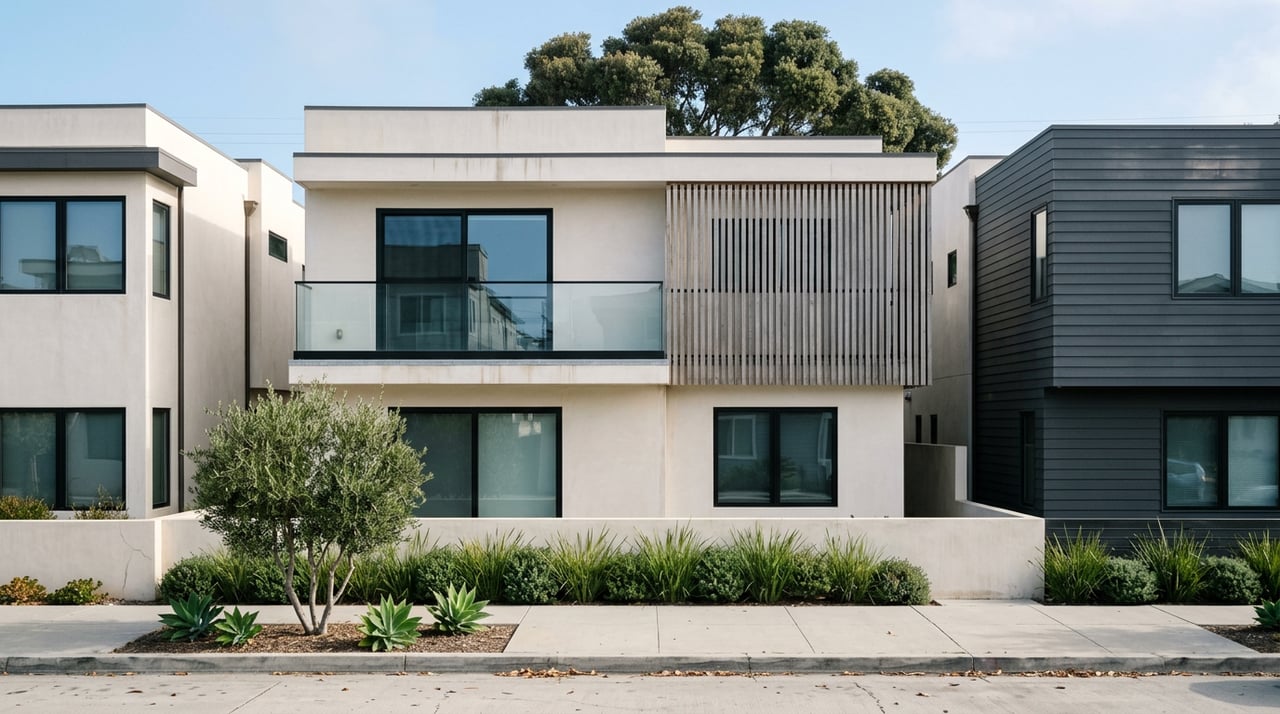
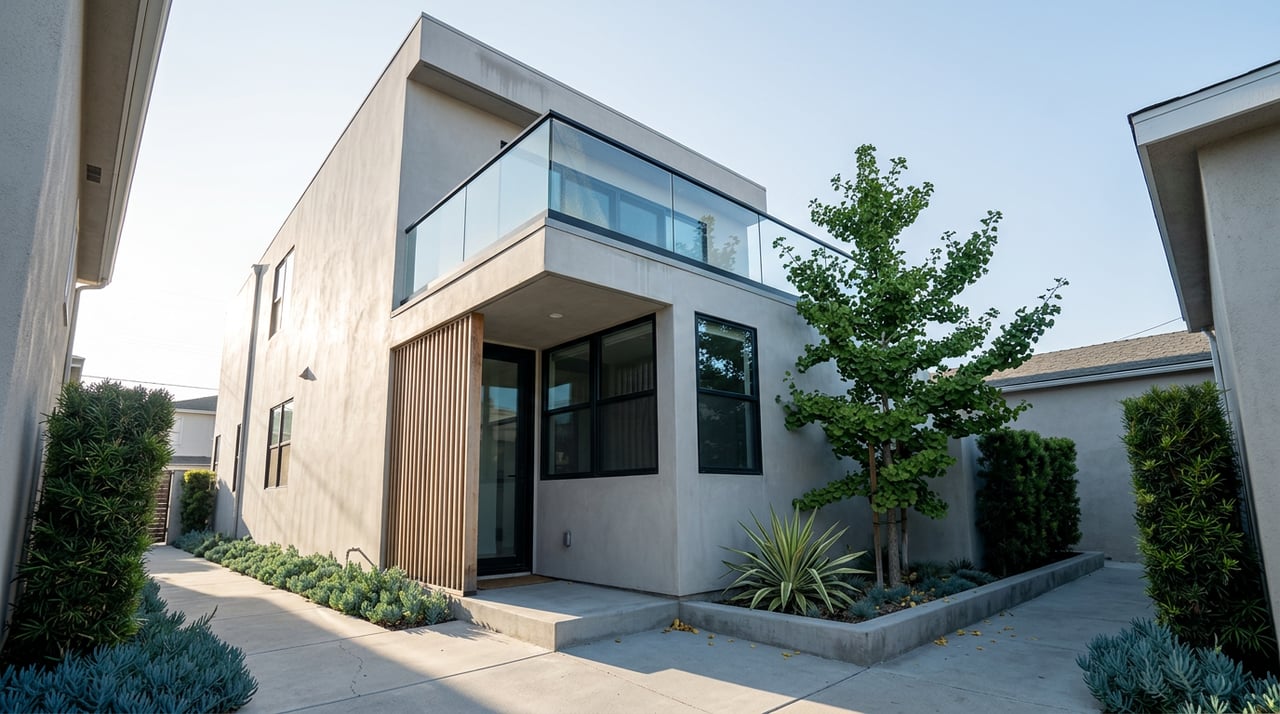
Peninsula homes sit on narrow lots near Venice and often blend older footprints with modern rebuilds. Some have private docks, while others offer beachside access or canal frontage without a slip. Always verify whether a dock is part of the property or tied to a separate agreement.
Condos and towers
Waterfront condos range from podium buildings with direct marina amenities to upper floors with views only. Some HOAs control assigned slips or shared dock access. Expect a range of ages and policies, with dues reflecting dock and common-area upkeep.
Townhomes and canals
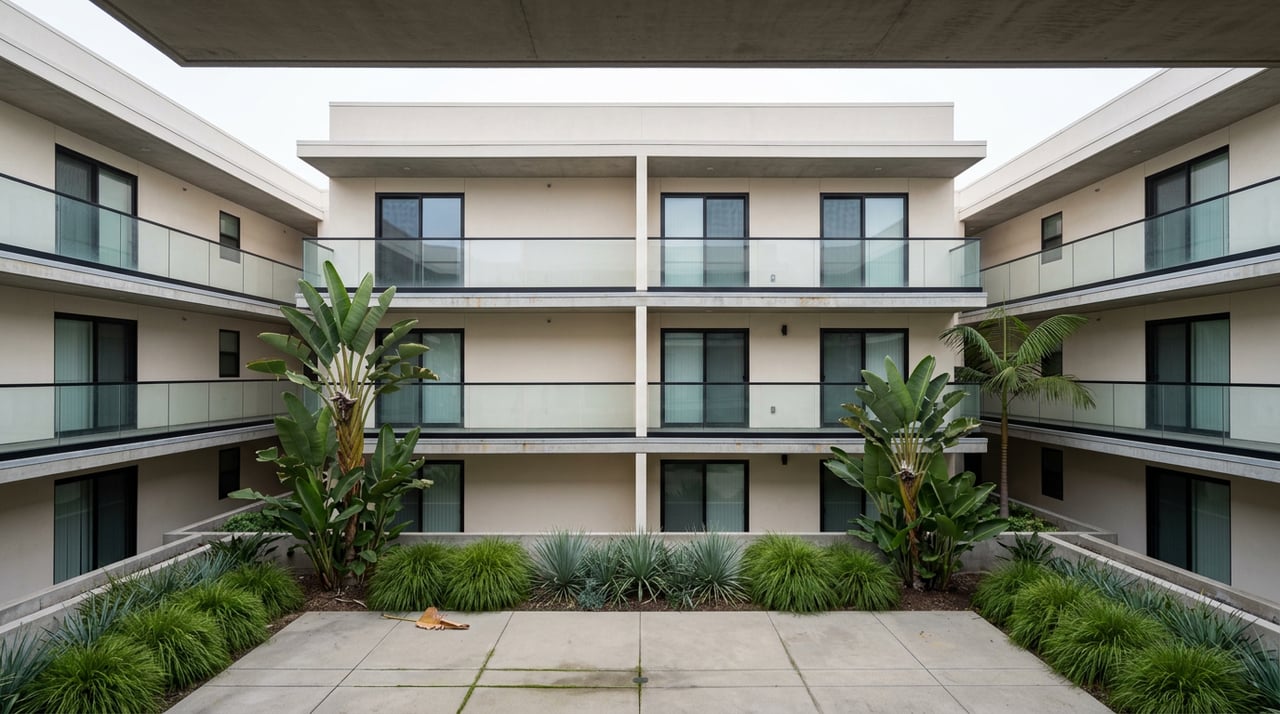
Townhomes and mid-rise buildings along canals and basins sometimes offer unit-specific dockage or HOA-managed slips. Rules on vessel size and guest usage vary by building. Review CC&Rs to confirm what transfers with the unit.
Waterfront vs water view
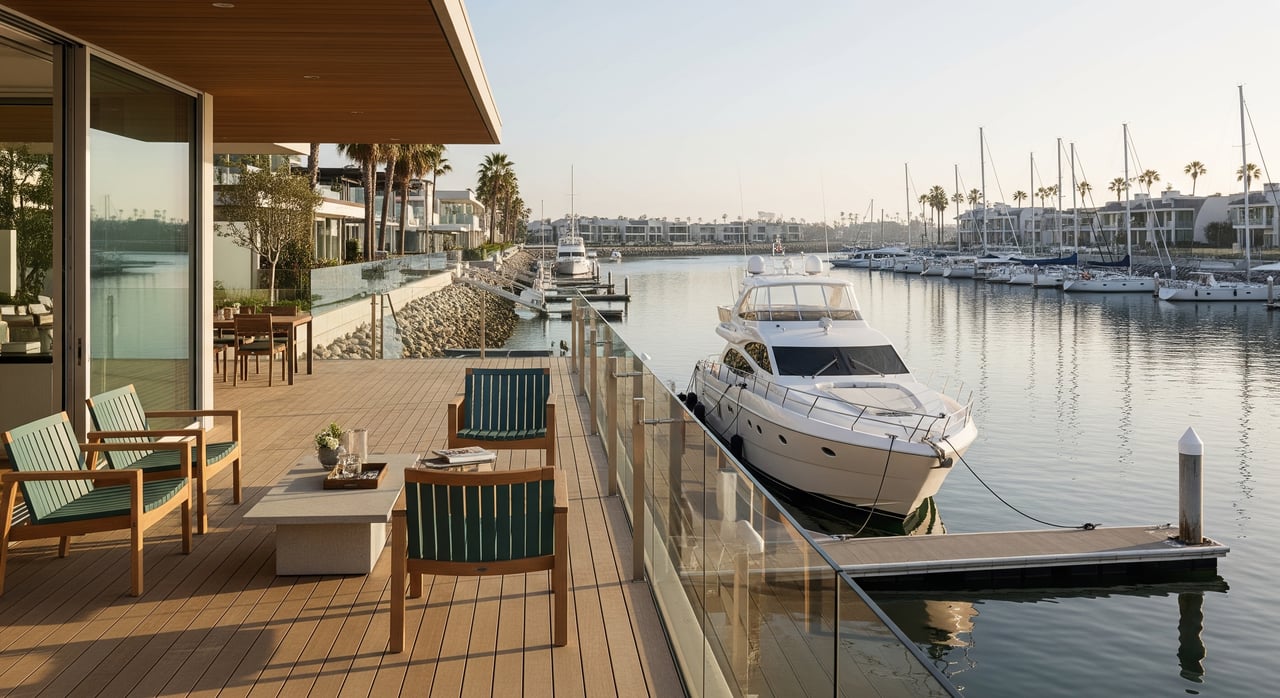
“True waterfront” usually means direct frontage and a private dock or assigned slip. A “water view” can be stunning yet offer no docking or water access rights. Clarify this distinction early to align price, use, and expectations.
Docks, slips, and views
Slip ownership vs lease
Slips typically follow two models. Some are owned or controlled by the property or HOA and may be assigned to a unit. Others are leased from the County or a public entity, often with waiting lists and separate fees. Never assume a slip transfers with a sale. Confirm transfer terms in the title report, CC&Rs, or lease records.
Dock condition and upkeep
Salt air and tides accelerate wear. Docks and pilings can be wood, concrete, or composite, and responsibility for maintenance may fall on the owner, the HOA, or the County. Ask for maintenance histories, reserve studies, and any special assessments tied to docks or seawalls. Schedule a marine survey that covers above and underwater components.
Views and easements
Harbor views can change with new landscaping or future development. Recorded view easements are uncommon, so do not rely on them without documentation. Expect boat traffic and charter activity that may affect privacy and sightlines.
Marine conditions
Marina basins can experience turbidity, algae, and occasional odors. Water quality can fluctuate with stormwater flows through the Ballona Channel. Before you commit, review recent local advisories and any dredging schedules that may affect access or conditions.
Risk, insurance, and permits
Flood and sea-level rise
Marina del Rey is low-lying, with areas built on reclaimed land, so flood and liquefaction risk deserve careful review. Check FEMA flood maps and consult local sea-level rise guidance. A site-specific geotechnical assessment can help you plan for foundation stability and long-term resilience.
Insurance to price in
Standard homeowners policies typically exclude flood, and some exclude marine-related damage. Obtain quotes early for homeowners, flood insurance, and, if relevant, earthquake coverage. Some lenders and insurers have additional requirements for waterfront or high-risk zones.
Permits and public projects
Dock repairs, seawall work, and new moorings often require approvals from Los Angeles County agencies and, depending on scope, the California Coastal Commission and other regulators. Public projects such as dredging or breakwater work can temporarily affect access. Confirm the permit history for recent dock work and ask about upcoming public projects.
Title and recorded rights
Clarify in writing whether a dock or slip is appurtenant to the property or governed by a separate lease. Look for public access or utility easements along the shoreline. Resolve any uncertainties before contingencies expire.
HOA rules that matter
Financial health
Ask for the latest budget, reserve study, audited financials, and 12 to 24 months of meeting minutes. Strong reserves are important where docks, pilings, and seawalls require periodic repairs. Watch for rising dues and past or planned special assessments.
Use restrictions
Review CC&Rs and Rules and Regulations for boat length limits, engine type rules, guest docking, quiet hours, and live-aboard policies. These provisions shape day-to-day life on the water and can impact resale appeal.
Rental policies
Short-term rentals are often restricted by HOAs and county rules. If you plan to rent, confirm the policy and any caps or minimum terms. Build conservative income assumptions if rules are uncertain or pending change.
Lifestyle trade-offs
What you gain
You get direct access to boating, paddle sports, and waterfront dining, plus proximity to Venice Beach and coastal amenities. The marina culture is a major draw. Waterfront scarcity can support long-term value when you buy the right property.
What to expect
Waterfront living often means higher carrying costs, including HOA dues, dock fees, and marine maintenance. Events, visitor traffic, and charter activity can elevate noise levels on weekends and holidays. Materials weather faster in salt air, so plan for proactive upkeep.
Getting around
Access to coastal corridors is convenient, but traffic to inland job centers can be significant. Public transit options are more limited than central Los Angeles. Many buyers prioritize walkability to restaurants, beach paths, and harbor amenities.
Rental considerations
Seasonality and HOA rules affect income potential. Confirm policies before assuming returns. Be prepared for professional management and compliance with County guidelines if you plan to rent.
Your due diligence plan
Title and ownership
- Verify whether a dock or slip conveys and whether it is fee simple, an easement, or a lease.
- Order a preliminary title report to confirm recorded agreements affecting docks and shoreline.
Inspections and reports
- General home inspection by a pro familiar with marine conditions.
- Marine and dock survey, ideally including underwater components.
- Geotechnical report for liquefaction or settlement risk where relevant.
- Pest inspection for docks and wood members.
- Land survey for boundaries and encroachments.
Insurance and financing
- Quotes for homeowners, flood insurance, and earthquake coverage if needed.
- Talk to lenders early about waterfront and high-risk zone requirements.
HOA and legal review
- CC&Rs, Bylaws, Rules and Regulations, budget, reserve study, audited financials.
- Meeting minutes and litigation disclosures.
- Confirmation that reserves cover dock and marina elements.
Permits and environmental checks
- Permit history for dock or seawall work and compliance with County and coastal approvals.
- Check for upcoming dredging or harbor projects that could affect use.
- Review recent water quality advisories and Ballona Channel discharge notes.
Harbor operations
- Slip rules, length limits, guest docking, and live-aboard policies.
- County lease transfer rules and any waiting lists for leased slips.
Neighborhood fit
- Event frequency, parking patterns, and weekend activity.
- Typical boat traffic and no-wake zones.
- Dock hours, lighting, and security practices.
Local governance basics
Marina del Rey is an unincorporated area managed by Los Angeles County agencies. Harbor operations, planning, and many public facilities fall under County oversight. Coastal zone policies and future adaptation planning involve the California Coastal Commission, which can influence permits and long-term shoreline projects. Build timelines that account for multi-agency review when dock or seawall work is part of your plan.
How we help
Buying waterfront here is as much about what you cannot see as what you can. You need clean title on dock rights, clear HOA policies, realistic insurance costs, and expert inspections. Our team brings deep Marina del Rey experience across single-family waterfront, canals, and marina buildings. We coordinate marine surveyors, geotechnical engineers, and title teams with marina experience, and we advise you on HOA health, slip transferability, and long-term risk so you can move forward with clarity.
If you are ready to explore on and off-market options or want a second opinion on a specific property, connect with Michael Grady. We will help you buy the right waterfront home with confidence.
FAQs
Do Marina del Rey home sales include a slip?
- Not always. Slips can be owned, assigned by the HOA, or leased from the County, and many do not transfer automatically. Verify in title and CC&Rs.
How do HOA rules affect my boat use?
- HOAs often set limits on vessel length, engine type, guest docking, and live-aboard status. Review CC&Rs and Rules and Regulations before you commit.
What marine inspections should I order?
- Get a general home inspection plus a marine-dock survey that covers above and underwater elements, and consider a geotechnical report for foundation risk.
Will flood risk increase my costs?
- Waterfront areas can sit in flood-prone zones. Price in flood insurance and lender requirements, and review FEMA maps and local sea-level guidance.
Are short-term rentals allowed on the waterfront?
- Many HOAs restrict or prohibit STRs, and County rules apply. Confirm written policies and do not underwrite your purchase on STR income without proof.