Ever wonder why two homes just a few blocks apart in Manhattan Beach can be priced so differently? If you are comparing listings in the Sand, Tree, and Hill Sections, you are seeing three distinct sets of value drivers at work. Understanding how lot size, beach proximity, elevation, walkability, and regulations interact will help you price, buy, or sell with confidence. This guide breaks down what matters most in each Section and how to use that knowledge in a real transaction. Let’s dive in.
The three Sections at a glance
Sand Section
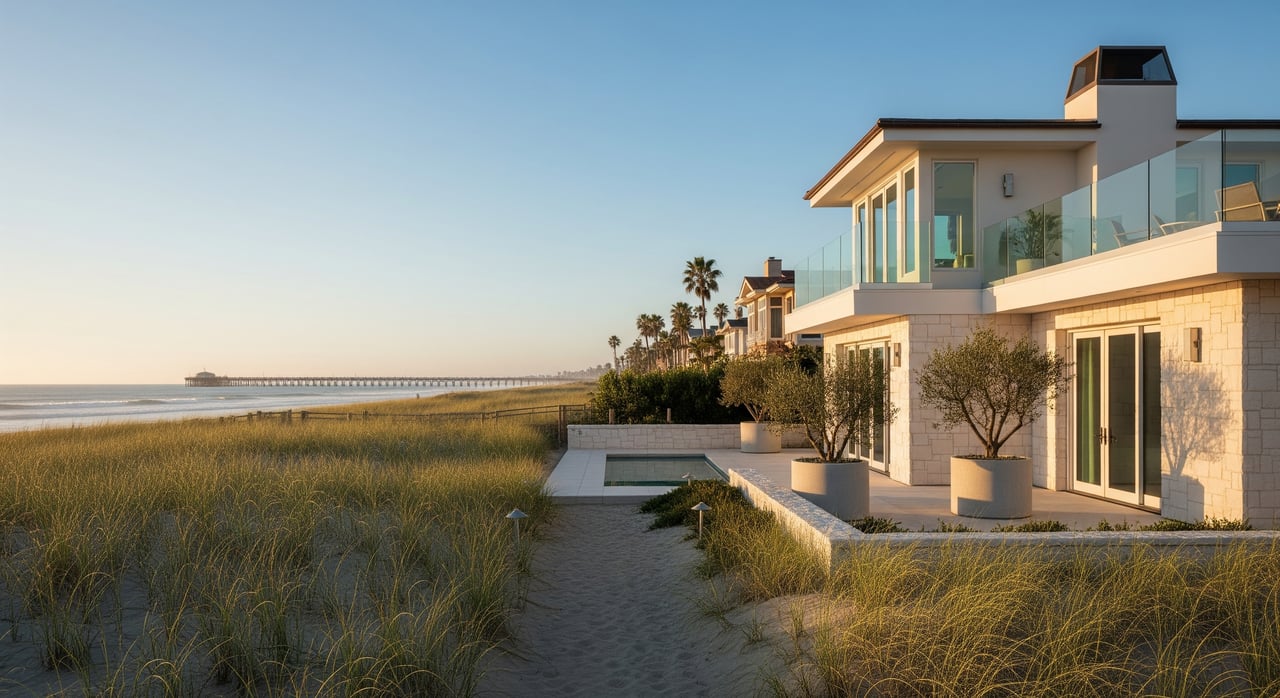
You are closest to the Strand and the beach here, with a lifestyle centered on surf, sand, and pedestrian access. Lots tend to be smaller with narrower fronts, and many homes are multi-level to capture views. You get premium price per square foot for immediate beach access, with trade-offs that can include limited private yard space, parking constraints, and coastal wear.
Tree Section
This is the central grid between the Sand and Hill Sections. Streets are lined with mature trees and a mix of original cottages, mid-century homes, and many newer rebuilds. Lot sizes vary, which creates a broad price range and strong interest in desirable parcels for future development. You are generally well positioned for access to parks, shopping, and local schools.
Hill Section
At higher elevation farther inland, you will find larger lots and bigger homes, plus wide view corridors toward the ocean and city. This area emphasizes privacy, outdoor living, and estate-like properties. The trade-off is greater distance to the beach and commercial core, which some buyers accept in exchange for lot size and views.
Note: Manhattan Beach’s Section names are local descriptors rather than legal zoning boundaries. You should always verify property specifics with the city and your agent.
What drives value across the Sections
Lot size and buildable area
Lot area shapes what you can build, from total square footage to outdoor spaces and possible secondary units. Larger lots often command higher total prices, while smaller beachfront lots can show premium price per square foot. The Hill Section generally has the largest lots, the Sand Section the smallest, and the Tree Section the widest variation.
Proximity to the beach and Strand
Walkable access to the sand and the Strand is a powerful driver of demand and price per square foot. In general, closeness premiums rank Sand over Tree over Hill. Even one block can materially change perceived value, daily convenience, and noise profile.
Elevation and views
Clear views toward the ocean, pier, or city are scarce and tend to be durable over time, which is why they add value. Hill properties often have panoramic outlooks and wider view corridors. In the Sand Section, modest elevation or an unobstructed western-facing exposure can also lift value per square foot.
Street type and walk streets
Walk streets and pedestrian-friendly blocks tend to enhance lifestyle appeal. Less traffic, easy access to the beach or shops, and a strong sense of place can support pricing premiums. If you are comparing homes, look closely at pedestrian routes and how easily you can reach retail and recreation.
Age, renovation, and new construction
Newer luxury construction commands strong premiums, but well-maintained older homes in prime locations can also perform. The Tree and Hill Sections see frequent teardowns because lot economics support larger, modern builds. In the Sand Section, smaller footprints often lead to vertical designs that maximize height and views.
Viewsheds and orientation
Not all views are equal. The width of the view, its permanence, and which direction the home faces matter. Appraisers and buyers look at neighboring building envelopes and zoning to estimate whether a view could be blocked in the future.
Amenities and schools
Proximity to parks, retail, and schools can strengthen demand and resale. Families and other buyers who value school access often focus on central locations with easy routes to campuses in the Manhattan Beach Unified School District. You can learn more about local schools on the Manhattan Beach Unified School District site.
Zoning, setbacks, and entitlements
Zoning rules determine what you can build and how large it can be, which drives value and redevelopment potential. Even lots on the same block may differ due to width, depth, or slope. Review permits and planning guidance on the City of Manhattan Beach website.
Scarcity and supply
Manhattan Beach is land constrained with low turnover, which magnifies the impact of small inventory shifts. Beachfront parcels and large lots are especially scarce, so pricing can respond quickly when supply changes or borrowing costs move.
Coastal exposure, maintenance, and insurance
Salt air, wind, and potential flood risk near the shoreline can add maintenance and insurance costs. Sand Section properties face the most exposure, while Hill parcels typically see less. For coastal planning policies, review the California Coastal Commission resources, and for flood zones, check the FEMA Flood Map Service Center. Insurance questions are addressed in consumer guides from the California Department of Insurance.
Parking and access
On-site parking, garage count, and local parking rules affect daily convenience and resale. The Sand Section frequently has tighter parking and smaller garages, while Tree and Hill homes more often include larger driveways and multi-car garages.
How to price and compare homes
Use both total sale price and price per square foot. A compact Sand Section home close to the Strand may show a high price per square foot, but a larger Hill estate may close at a higher total price. Try to select comparable sales within the same Section and a tight radius. Cross-Section comparisons can be misleading unless you adjust for lot size, view, and elevation.
Always verify lot data and improvements. Public records from the Los Angeles County Assessor can help you confirm basics, while active and recent comparable sales data is typically sourced via MLS systems such as CRMLS. The City’s planning and building pages provide permit guidance and timelines.
Buyer strategy by Section
If you are buying in the Sand Section
- Prioritize sight lines, roof decks, and natural light. Small design changes can affect view value.
- Inspect for salt corrosion, roof condition, windows, and exterior finishes.
- Confirm parking solutions and understand street restrictions.
- Weigh the value of being one block closer to the Strand against privacy and noise trade-offs.
If you are buying in the Tree Section
- Verify lot lines and setbacks to understand expansion or ADU potential.
- Check proximity to parks, retail, and schools, then confirm routes and daily travel times.
- Compare the economics of remodel versus teardown based on the lot and zoning.
- Review permit history carefully to avoid surprises with unpermitted work.
If you are buying in the Hill Section
- Evaluate view quality and permanence, including neighboring height limits.
- Assess slope, drainage, and driveway access for daily usability and future plans.
- Model costs and timelines for large remodels or additions.
- Consider how distance to the beach and commercial areas fits your lifestyle.
Seller strategy by Section
If you are selling in the Sand Section
- Maximize outdoor living and presentation of views with clean decks and terraces.
- Stay ahead of coastal maintenance so exterior finishes look fresh in photos and showings.
- Use professional photography that captures beach proximity and the walkable lifestyle.
If you are selling in the Tree Section
- Highlight yard space, versatile floor plans, and access to parks and schools.
- Consider targeted updates, such as kitchens or baths, if a full rebuild is not likely.
- Present clear permit and maintenance records to build buyer confidence.
If you are selling in the Hill Section
- Emphasize views and orientation with staging and view-focused photography.
- Showcase outdoor areas, landscaping, and privacy features.
- Document lot size, development potential, and any studies or surveys that clarify the envelope.
Due diligence and prep checklists
Buyer due diligence checklist
- Verify lot dimensions, setbacks, and buildable envelope with the City of Manhattan Beach.
- Pull permit history and confirm that major work was properly approved.
- Review flood zones on the FEMA Flood Map Service Center and get insurance quotes using guides from the California Department of Insurance.
- Inspect for salt corrosion, roof and exterior envelope condition, HVAC, and windows.
- Map distance to the Strand and walk-street routes to compare lifestyle access.
- Ask your agent for recent same-Section comparable sales from MLS sources like CRMLS.
Seller preparation checklist
- Gather permits, plans, and maintenance records. Address visible coastal wear.
- Stage outdoor spaces and improve curb appeal. In the Sand Section, highlight decks and roof spaces.
- Consider strategic cosmetic updates based on Section norms, such as landscaping and view corridors in the Hill Section.
Putting it all together
In Manhattan Beach, price differences are explainable when you separate lot size, beach proximity, elevation and views, walkability, and regulatory factors. The Sand Section often leads price per square foot for its immediate Strand access, while the Hill Section can deliver top total prices for large view homes. The Tree Section offers the widest variety, where a great lot or smart redesign can unlock significant value.
If you would like a Section-by-Section plan for buying or selling, including targeted comps, permit insight, and off-market opportunities, connect with Michael Grady. Work with a boutique team that pairs neighborhood intelligence with premium presentation and a private network.
FAQs
What are the key differences among Manhattan Beach’s Sand, Tree, and Hill Sections?
- Sand is closest to the Strand with smaller lots and higher price per square foot, Tree offers varied lots and central access to amenities, and Hill features larger lots, privacy, and broad views.
Which Manhattan Beach Section usually has the highest price per square foot?
- The Sand Section typically shows the highest price per square foot due to immediate beach proximity, while the largest absolute sale prices often occur in the Hill Section.
How do ocean views impact value in the Hill versus the Sand Section?
- Hill homes often benefit from panoramic views and wide corridors, while even modest elevation or unobstructed western exposure in the Sand Section can lift values per square foot.
How should I choose comparable sales in Manhattan Beach?
- Focus on comps from the same Section and a tight radius, adjusting for lot size, view, and elevation, and use both total price and price per square foot in your analysis.
What coastal considerations should buyers evaluate near the Strand?
- Review flood zones on the FEMA map, consider maintenance for salt and wind exposure, and get insurance guidance from the California Department of Insurance.
What permits or regulations matter for remodels and teardowns in Manhattan Beach?
- Check zoning, setbacks, and permit requirements with the City of Manhattan Beach, and for shoreline-adjacent projects review policies from the California Coastal Commission.