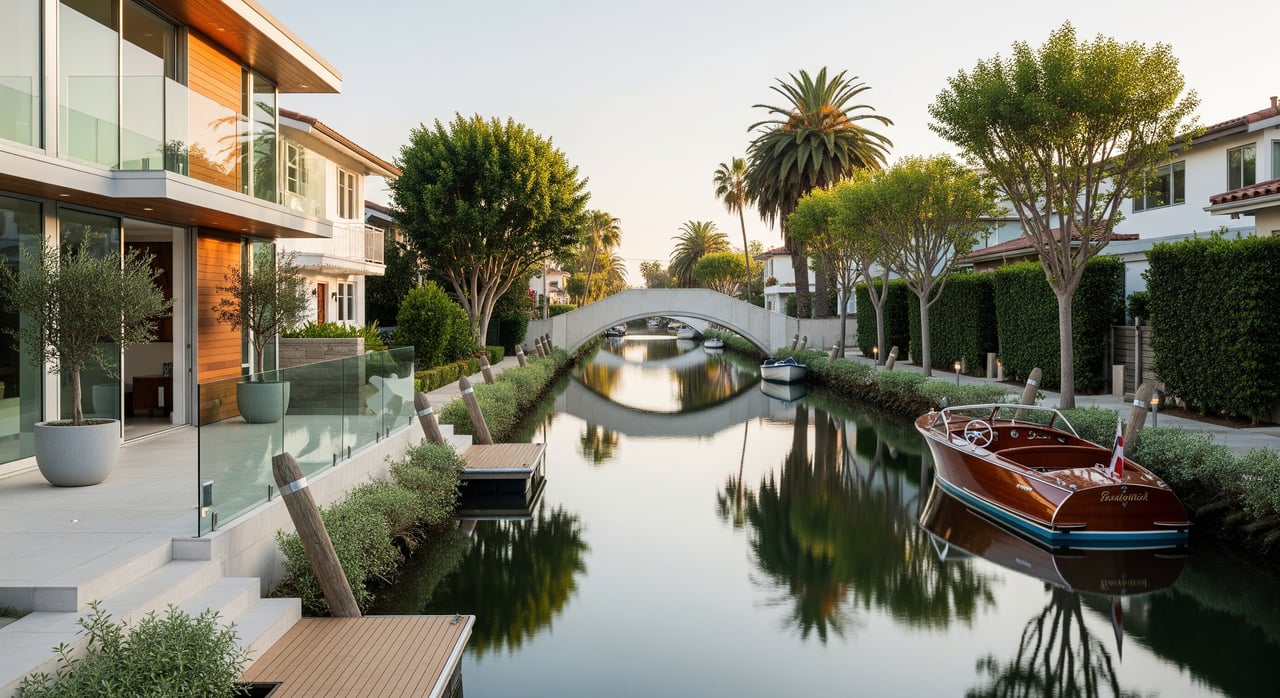
Picture early light on still water, a heron gliding past your deck, and the quiet crunch of footsteps on a footbridge outside your door. If you’re drawn to Venice for its creative energy but want a calmer, waterfront feel, the canals deliver a rare mix of serenity and scene. In this guide, you’ll learn how daily life here really works: home styles, walkability, privacy, boating rules, flood and permit realities, and a smart checklist before you buy. Let’s dive in.
Venice Canals 101
The Venice Canals began as Abbot Kinney’s “Venice of America,” a network of waterways and footbridges opened in the early 1900s. While many original canals were later filled, today’s compact canal district sits a block or two inland from Venice Beach with restored waterways and pedestrian bridges.
Modern stewardship balances public access, residential use, and engineering needs. Portions of the area have historic value and city-level review. Because the canals sit in the coastal zone, exterior work and shoreline elements may face extra oversight. For background on history and policy context, start with the Los Angeles Conservancy and the City’s Department of City Planning.
Homes and architecture
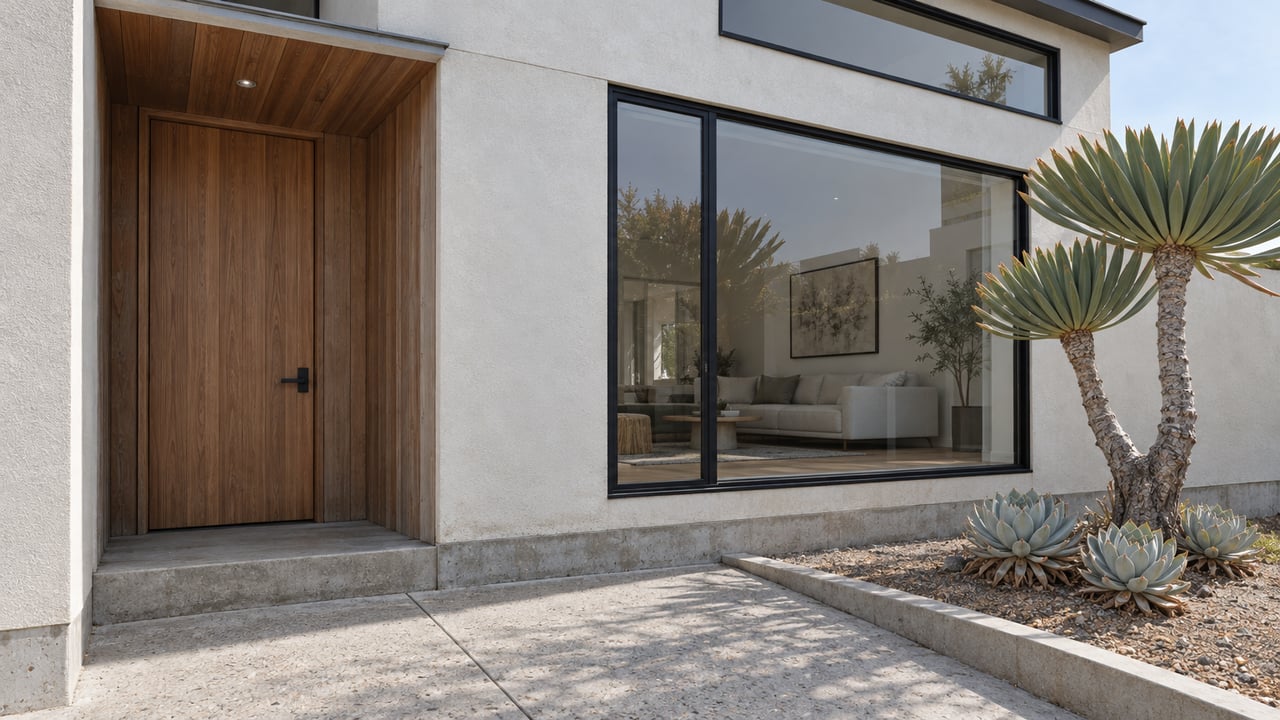
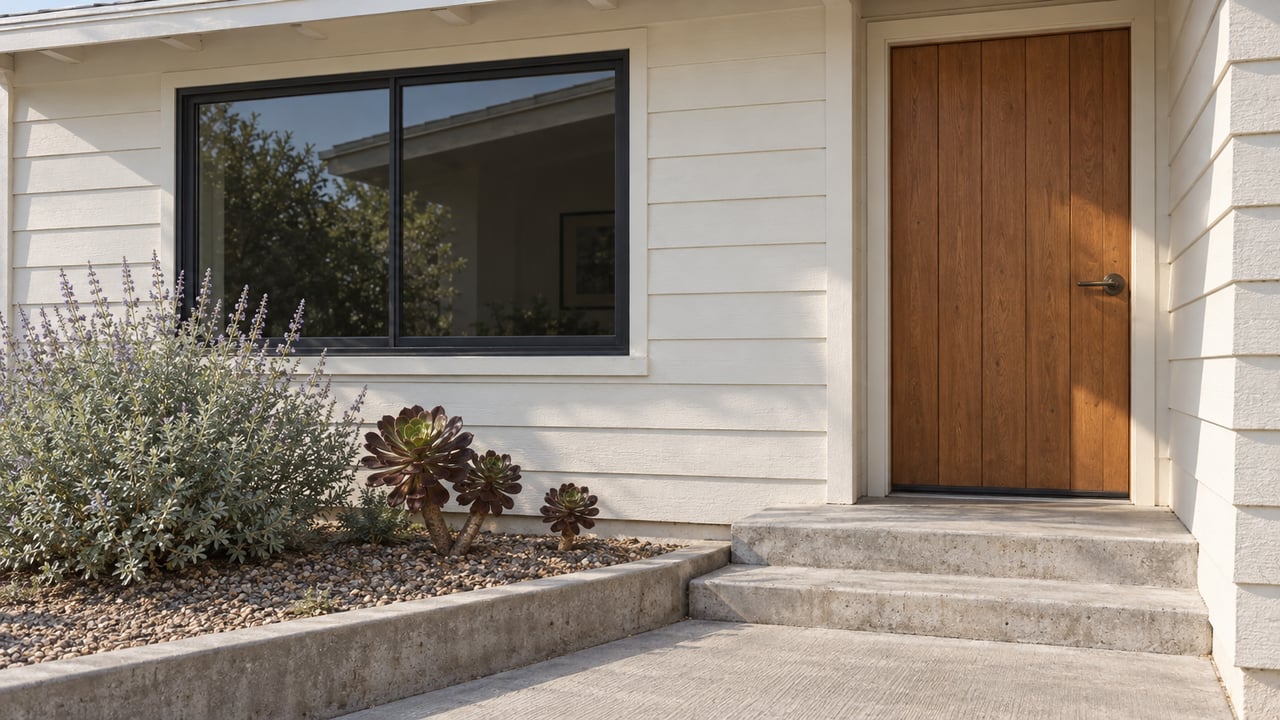
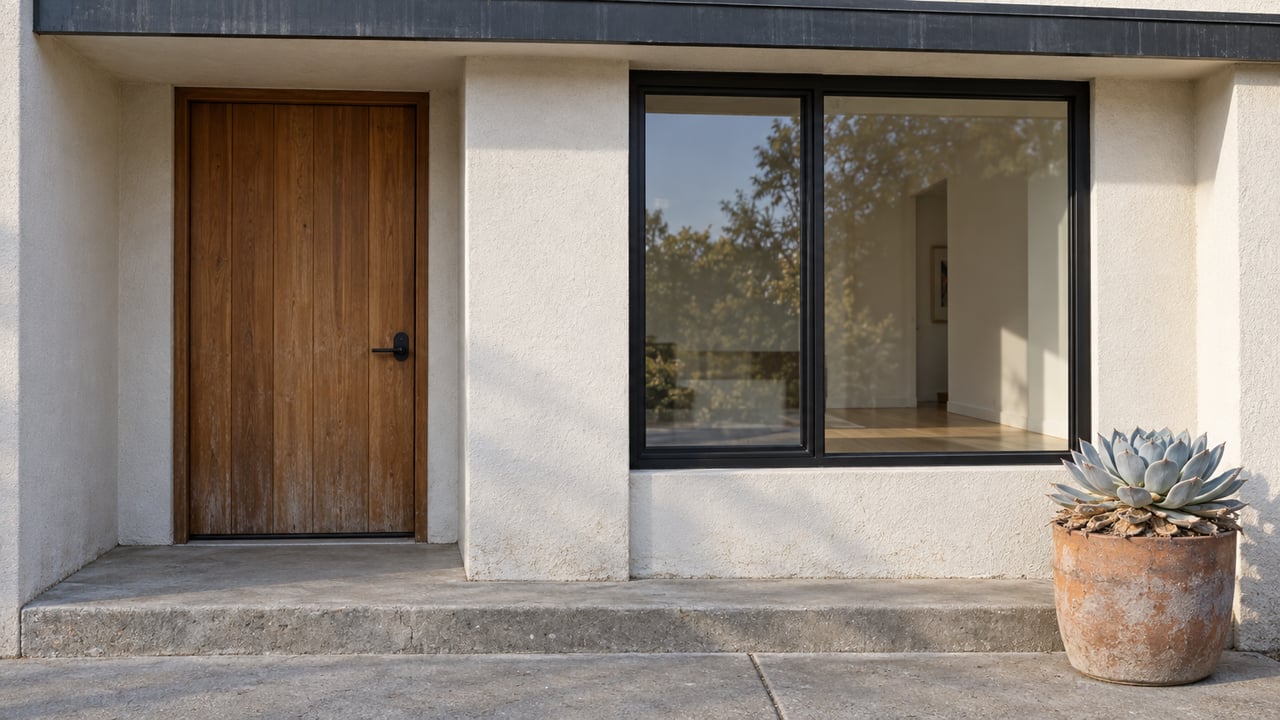
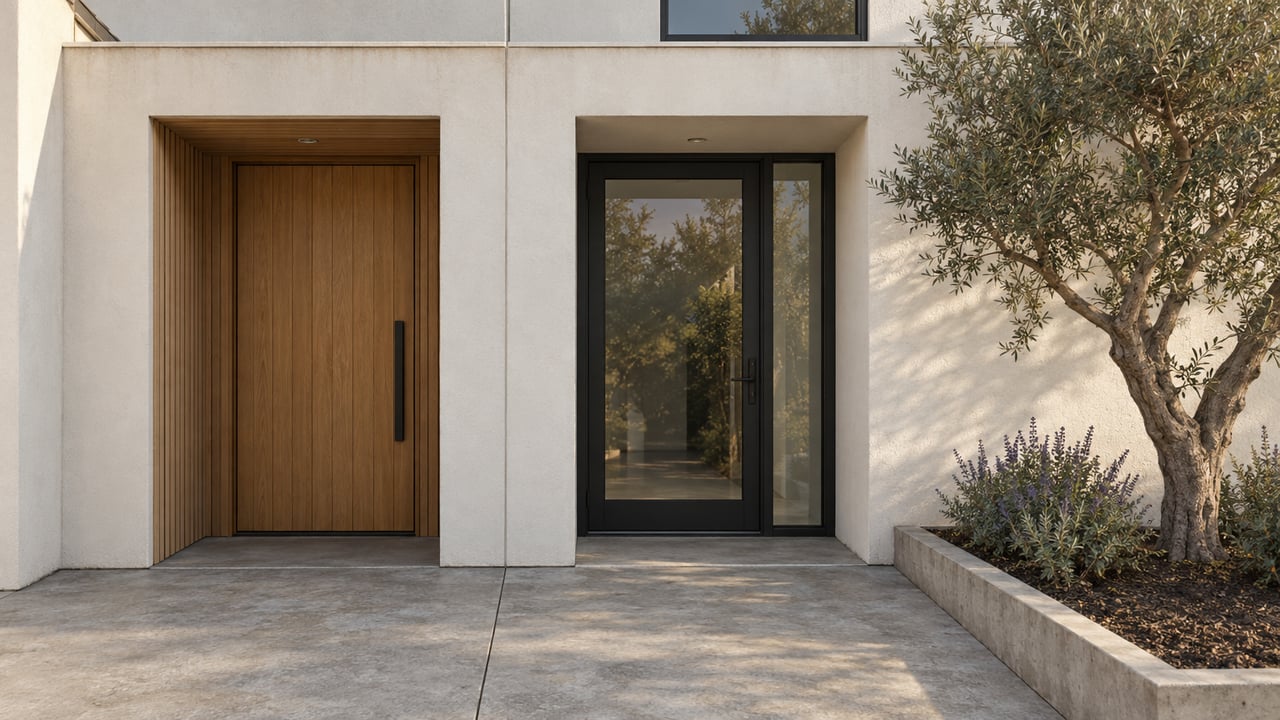
You’ll find a wide range of homes: original Craftsman, bungalow and Mediterranean cottages, mid-century houses, and substantial contemporary rebuilds. Many lots are narrow, so multi-level floor plans are common. Interiors often span 2 to 4 bedrooms with roughly 1,000 to 1,500 square feet in older cottages and up to 2,000 to 3,500-plus in newer or expanded homes.
Common features include canal-facing terraces, small yards, rooftop decks in newer builds, and ground-floor garages with alley access. Direct canal frontage often includes a short bulkhead, steps to the water, or a small dock. Newer architecture favors open plans and large windows for natural light. Older homes trade that for historic charm and cozy scale.
Daily rhythms and walkability
Living here is highly walkable by design. The sand is typically just a few minutes away, and Abbot Kinney Boulevard’s restaurants, shops, and galleries are an easy stroll or bike ride. The broader Venice area scores well for walkability and biking; explore the neighborhood’s mobility profile on Walk Score.
Mornings and evenings tend to feel calm. You’ll see neighbors walking dogs, running, or paddling the canals. Midday and weekends can bring more visitors along the walkways and bridges, especially during warmer months. Nightlife and events on nearby commercial streets add energy within walking distance.
Privacy and visitor flow
Canal-front homes face public walkways, so your front terrace, windows, and entry bridge may be visible to passersby. Many owners use thoughtful landscaping, fences, or frosted glazing to create a sense of separation without losing light. Homes oriented toward the street or alley side often feel more removed from casual foot traffic. Touring at different times of day helps you gauge your comfort level.
Getting around and parking
Inside the canal district, life happens on foot or by bike. For regional commutes, you’ll likely drive, though bus service runs nearby via LA Metro. Street parking can be tight, especially on weekends and during peak beach seasons. Many homes rely on small garages or dedicated spaces, but you should verify garage dimensions, alley access, and guest parking options during due diligence.
Waterfront perks and rules
Waterfront living invites paddleboarding, kayaking, and relaxing on your deck. Canal use typically favors small, non-motorized craft. Docks, mooring, bulkheads, and exterior work can require permits or review. Before planning improvements, check requirements with the City and the California Coastal Commission. If you’re considering keeping a kayak or paddleboard at your home, confirm any local rules on storage and mooring.
Risks, permits, and maintenance
Waterfront beauty comes with practical responsibilities:
- Flood and sea-level rise: Portions of Venice appear in FEMA flood mapping. Review parcel-specific status and implications at the FEMA Flood Map Service Center. Your lender or insurer may require flood insurance. Premiums vary by home and coverage, so price it early in the process.
- Permit layers and historic review: Exterior changes, new construction, docks, bulkheads, and some landscape work can require multiple approvals, including City planning or historic review, building permits, and potential coastal review. Start with LA City Planning and the Los Angeles Department of Building and Safety for process and timelines.
- Ongoing maintenance: Waterfront homes can see higher holding costs. Plan for potential seawall or bulkhead repairs, moisture management, pest mitigation, and specialized contractors familiar with shoreline conditions. Mind stormwater rules and erosion-control best practices.
- Safety and emergency access: The canals are public spaces with pedestrian movement. Lighting, secure entry points, and awareness of coastal emergency routes help you balance openness with security.
- Short-term rental rules: The City of Los Angeles has specific regulations for vacation rentals and registration. If renting is part of your plan, confirm current city code and enforcement before you buy.
Market drivers and value pressures
Canal homes command a premium for three reasons: scarcity, location, and lifestyle. Inventory is limited and tightly bounded, the amenities of Venice Beach and Abbot Kinney sit next door, and the setting offers water views and architectural variety.
Heads-up on the flip side: climate risk and waterfront maintenance can raise long-term costs. Regulatory layers can add time and expense to renovations. Luxury coastal markets can also see bigger price swings than inland neighborhoods. Align your goals, budget, and timeline with these realities to make a confident decision.
Community and involvement
This is an active neighborhood that cares about preservation, safety, and infrastructure. If you want to understand current issues or get involved, the Venice Neighborhood Council is a good starting point. You’ll also find canal maintenance and community groups engaging on local projects and policies.
Quick buyer checklist
- Walk the area morning, midday, and evening to sample visitor flow and noise.
- Confirm parcel flood status and discuss insurance with a coastal-savvy carrier using FEMA’s map center.
- Ask your agent to outline permit scope: City Planning review, building permits, and any coastal triggers.
- Verify parking: garage size, alley access, and guest options.
- Clarify dock, mooring, and watercraft rules with the City and the California Coastal Commission.
- Price ownership costs: seawall potential, moisture control, exterior finishes, and specialized maintenance.
- Review recent comparable sales and time-on-market for canal vs nearby non-canal Venice homes.
Is this lifestyle right for you?
If you love morning paddles, golden-hour walks, and the option to slip into Venice’s dining and culture without getting in a car, the canals may be your perfect fit. If you want maximum privacy, abundant parking, or easy large-scale renovations, weigh those needs against the area’s public walkways and permit layers. A clear-eyed plan lets you enjoy the magic of the canals while protecting your investment.
Ready to explore canal living with a local expert who knows every footbridge and alley? Connect with Michael Grady for neighborhood intel, on- and off-market access, and a tailored plan for your goals.
FAQs
How close are the Venice Canals to the beach and Abbot Kinney?
- Most homes sit a short walk from the sand and within easy walking or biking distance to Abbot Kinney, making daily errands and dining convenient.
Are the Venice Canals public or private spaces?
- The waterways are bordered by public walkways and pedestrian bridges, while individual homes, docks, and yards are private; expect respectful visitor traffic along paths.
Can you keep a boat at a Venice Canals home?
- Small, non-motorized craft are typical; docks and mooring are subject to municipal rules and may require permits, so check with the City and the California Coastal Commission.
Do you need flood insurance for a canal-front home?
- Many coastal parcels warrant a flood-risk review; use the FEMA Flood Map Service Center and consult your insurer to determine requirements and estimated premiums.
What permits are needed for renovations on the canals?
- Exterior work, docks, bulkheads, and rebuilds often require City Planning review, building permits, and possible coastal review; contact LA City Planning and LADBS early.
How is parking for residents near the canals?
- Street parking can be limited, especially on weekends; many homes rely on small garages or off-street spaces, so verify access and dimensions during due diligence.