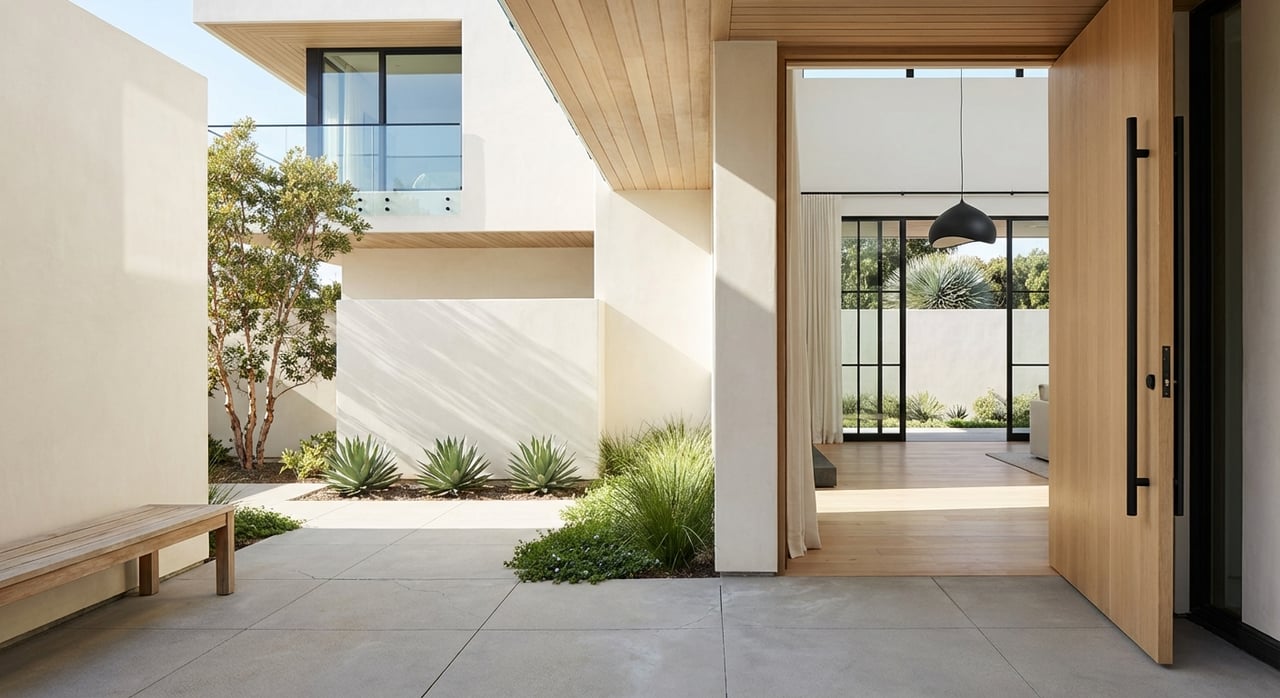
Thinking about listing your architect‑designed home in Venice? You are not selling a standard house. You are bringing a piece of design to market, and the right buyer will pay for authenticity, provenance, and presentation. In this guide, you will learn how to prove your home’s pedigree, price with confidence, build a press‑ready marketing package, and launch at the right time to reach design‑minded buyers. Let’s dive in.
Venice market snapshot
Venice sits in an upper‑end coastal pocket of Los Angeles where central home price measures often run from the low to multi‑million range. Recent vendor snapshots show medians between roughly $1.8 million and $3.5 million, depending on list versus sold data and timing. You can review a current overview for Venice at Realtor.com to see how active inventory and medians are trending (Realtor.com Venice overview).
This is a small, high‑value market with low inventory, so single high‑end sales can swing the numbers month to month. Data providers highlight volatility and micro‑market behavior that varies block by block, from the beach and canals to Abbot Kinney and inland streets. A local agent should refine comps at the property level and interpret how your design, lot, and location will play with current buyers (Altos Research snapshot).
What does this mean for an architect home? Presentation and buyer targeting matter as much as timing. When documentation is strong and visuals are press‑level, these homes can outperform generic comps. Poor provenance or lackluster media, on the other hand, can slow your sale in a market that rewards quality listing execution (NAR field guide).
Know your buyer
Design‑forward Venice homes tend to attract buyers who place a premium on lifestyle and authenticity. Common profiles include design and architecture enthusiasts, creative professionals, technology and “Silicon Beach” executives, some entertainment industry buyers, and a smaller pool of international or second‑home buyers. These groups value indoor‑outdoor living, walkability, and verifiable design stories more than average buyers (Venice market context).
For you, that means shaping a campaign where the architect’s intent, materials, and day‑to‑day experience of the home are front and center. The fastest way to connect with this audience is through premium visuals, clear provenance, and distribution to channels where design‑savvy buyers actually browse.
Prove the pedigree
Your goal is to convert design pedigree into credible buyer value. Replace vague adjectives with a factual, documented story.
- Architect and dates. Gather the architect’s name and firm, design and construction dates, and any original drawings or measured as‑builts. If the architect is living, a short letter confirming authorship is ideal. Evidence of architect involvement is decisive for many buyers (provenance guidance).
- Permits and occupancy. Pull permit history, note permitted versus unpermitted work, and confirm certificate(s) of occupancy. In California, unpermitted additions are a negotiation risk, so plan to disclose and remediate or price accordingly (California disclosures primer).
- Press and awards. Collect press clippings, exhibition mentions, and awards with high‑resolution scans and links. These reinforce authenticity and help with press pitching (provenance guidance).
- Stewardship records. Organize maintenance logs and contractor invoices for systems, roof, structural items, and upgrades like seismic or solar. A clear stewardship timeline builds confidence with preservation‑minded buyers.
Create two assets from this material:
- A one to three page “House History” that summarizes the architect, the design approach, a concise timeline, and key materials. This is your handout for showings and broker previews.
- A 10 to 12 page expanded dossier with plans, materials lists, restoration notes, and a curator‑style narrative that connects the home to the architect’s broader work. Use it in a digital data room for serious buyers and appraisers (NAR field guide).
Presentation that sells design
Architect homes deserve media that reads like an editorial feature, not a standard listing.
- Photography that understands architecture. Commission a photographer who specializes in architectural work. Ask for twilight exteriors, honest interior sequences, and detail vignettes that show materials and joinery. Plan shoot times to capture intended light angles and indoor‑outdoor flow.
- Film the experience. Produce a 60 to 90 second cinematic short that pairs footage with captions or brief narration about the architect, materials, and how spaces live through the day. For remote and international buyers, add a guided walkthrough video and an immersive 3D tour (architectural videography examples).
- Floor plans and clarity. Provide a clean measured plan with dimensions and a quick graphic that explains how the plan flows. Many design buyers study plan logic before they visit.
- Staging, kept minimal. Use furnishings that support scale, preserve sightlines, and let materials speak. If the house is museum‑quality, consider short‑term art rentals for broker opens, and be transparent about what conveys.
- Why this level of media matters. Professional imagery and virtual tours increase listing views and reduce time to sale for high‑end properties. Strong media often pays for itself by driving early interest and helping you avoid price reductions (why pro photos pay off).
Price and appraise with intention
Unique architecture can confuse automated pricing and even human comps, so prepare early.
- Expect appraisal complexity. One‑of‑a‑kind design may require broader or adjusted comparables, or a greater emphasis on cost and replacement approaches. A pre‑listing appraisal by someone experienced with architectural or historic properties can reduce renegotiation risk later (valuation basics).
- Choose a pricing lane. You can price slightly below a key threshold to spark curiosity and traffic, or price at market and rely on targeted outreach to a smaller but better‑qualified pool. For architect homes, educated buyers are often worth more than raw traffic (architect listing strategy).
- Document contributory value. Identify built‑ins, custom millwork, and unique materials that remain with the property. Call them out in the feature sheet so appraisers and buyers can ascribe value correctly (valuation basics).
Legal and disclosure essentials in California
California has specific statutory disclosures and timelines that can affect your launch and negotiation.
- State disclosures. Prepare the Transfer Disclosure Statement and Natural Hazard Disclosure, and be ready to disclose known material facts, including any unpermitted work. In Los Angeles County, defensible space or fire hardening forms and local requirements may apply. If there is an HOA, gather the resale pack early to avoid delays (California disclosures primer).
- Pre‑listing inspections. Consider a general home inspection, termite and WDO, roof, sewer lateral scope, and, if relevant, structural or seismic evaluations. For pre‑1978 components, lead or asbestos checks may be prudent. Sharing clean reports builds trust and reduces retrade risk at escrow.
- Permits and protections. If the home is landmarked, located in a historic district, or subject to a preservation easement, document restrictions so buyers can plan future work confidently (NAR field guide).
Launch timing and where to market
Spring through early summer is traditionally strong in Venice, and coastal lifestyle buyers often remain active into summer. For a design property, plan a staged rollout: pre‑market broker and press previews, media capture timed to the best light, then a public launch that showcases outdoor spaces at their seasonal peak (Venice seasonality context).
Distribute where design buyers look:
- MLS and standard syndication as the baseline.
- Luxury and architectural portals that curate high‑end inventory, such as Unique Homes, so the listing sits among peer properties rather than generic feeds (luxury portal landscape).
- Direct pitches to architecture and design press with a press kit, and invitations to broker‑only previews targeting architects, designers, and top luxury agents.
- Paid social targeted to design interests and coastal feeder markets. Use short cuts of your film and a clear call to action that drives to a dedicated property page and downloadable house history.
Your Venice checklist, step by step
Use this pre‑listing workflow to save time, reduce friction, and strengthen your launch.
- Assemble provenance
- Architect name and firm, design and construction dates.
- Original drawings or measured as‑builts, plus any written statement of authorship.
- Press clippings, awards, exhibition mentions, tour inclusions.
- Maintenance records, contractor invoices, warranties, appliance list.
- Clarify permits and disclosures
- Full permit history, certificate(s) of occupancy, and notes on permitted versus unpermitted work.
- Draft California TDS and NHD, and gather any local forms early.
- Order reports
- General home inspection, termite and WDO, roof, sewer scope.
- Structural or seismic evaluation if construction is unusual.
- Lead or asbestos checks if appropriate to age and materials.
- Prepare valuation
- Pre‑listing appraisal by an appraiser with architectural experience.
- Feature sheet highlighting custom built‑ins and unique materials that convey.
- Commission media
- Architectural photographer, twilight exteriors, honest interiors, detail vignettes.
- 60 to 90 second cinematic short, guided walkthrough video, and a 3D tour.
- Measured floor plans with a simple “how the plan flows” graphic.
- Build your launch package
- Single‑property microsite and downloadable House History PDF.
- Broker preview invitations to architecture and luxury circles.
- Targeted press pitch with high‑res assets and access for interviews.
Common pitfalls to avoid
- Skipping permit clarity. Unpermitted work is a common deal blocker in California, so know your status and plan either remediation or clear disclosure before launch (California disclosures primer).
- Thin documentation. Architect buyers expect plans, press, and a coherent house history. Missing proof can cost time and money (provenance guidance).
- Average media. Standard snapshots rarely do justice to volume, light, and materials. Professional photos and video typically boost views and improve time on market, which supports stronger pricing power (why pro photos pay off).
Ready to sell your Venice architect home?
You get one chance to make a first impression. With a press‑ready strategy, verified provenance, and distribution to the right buyers, you can turn design into market value. If you want a Venice‑specific plan that blends architectural marketing, discreet outreach, and data‑driven pricing, connect with Michael Grady. We specialize in architect‑designed and coastal properties, and we will guide you from preparation through a confident close.
FAQs
What makes the Venice market unique for architect‑designed homes?
- Venice is a small, upper‑end coastal market with low inventory and price volatility, so single high‑end sales can move medians. Micro‑markets vary block by block, which makes local comps and nuanced positioning essential (market volatility context).
How much more can an architect home sell for in Venice?
- There is no fixed premium. Well‑documented architect homes can outperform local comps when they reach the right buyers, but results vary. A pre‑listing appraisal and targeted marketing are the best ways to capture any design premium (valuation basics).
Do I need original plans to sell an architect‑designed home?
- Original plans are not required, but they help prove authorship and intent. If available, include drawings and a brief statement from the architect or firm. Buyers take confidence from documented provenance and press mentions (provenance guidance).
Which pre‑listing inspections matter most for a Venice design property?
- Start with a general home inspection, termite and WDO, roof, and sewer scope. Consider structural or seismic evaluations for unusual construction, and test for lead or asbestos when age suggests. Sharing reports reduces retrade risk and speeds negotiation.
What are common deal breakers for buyers of architect homes in California?
- Missing permits or unpermitted additions, deferred maintenance on original materials, thin provenance, and average photography or video often stall deals. Address these items before you launch (California disclosures primer).
When is the best time to list a Venice architect home?
- Spring through early summer is traditionally strong for buyer activity in Venice, and coastal lifestyle buyers often stay active through summer. Time your media and launch to show outdoor spaces at their seasonal best (Venice seasonality context).