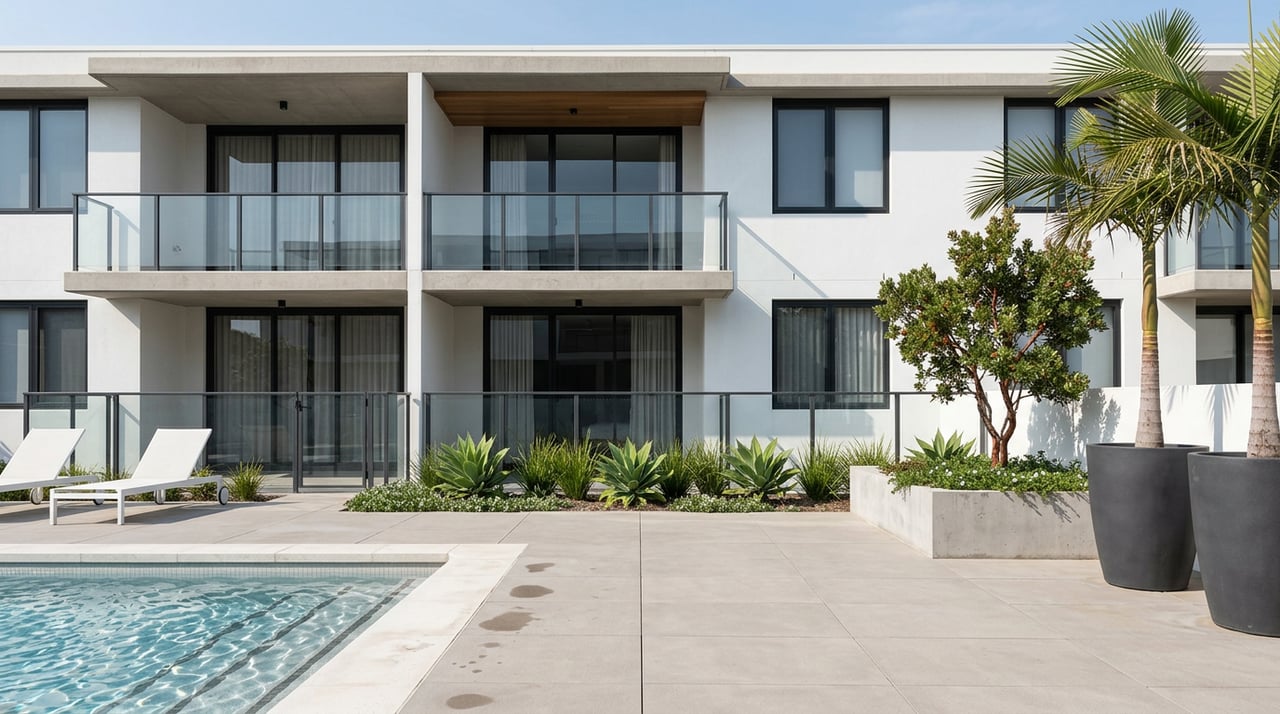
Buying a Marina del Rey condo as a long-term investment looks straightforward: blue water, limited shoreline, and year-round lifestyle demand. Yet two condos on the same block can produce very different financial results. If you want durable returns, minimal surprises, and a smooth exit later, you need to look beyond the headline price and the view.
This guide shows you how to evaluate Marina del Rey condos like a pro. You will learn which documents to request, how title type and HOA health shape value, what rental and financing rules mean for yield, and how waterfront perks balance with climate and insurance costs. Let’s dive in.
Why Marina del Rey stands out
Marina del Rey is a small, supply-constrained coastal submarket. That scarcity supports values, but it also means monthly sales counts are low. A few high-priced closings can swing averages, so use 12-month rolling medians and building-level comps when you analyze returns.
Data providers often report different figures because they track different metrics and mixes. In January 2026, one source showed a median sale price near about $750,000 for all home types, while another reported a home value index around $1.34 million. The difference reflects methodology and product mix, not just market movement. Always confirm whether you are comparing median sale, ZHVI, listing prices, or price per square foot, and keep your focus on the exact building and floor plan you are considering.
Micro-location matters. Peninsula pockets, Admiralty Way towers, and inland townhome clusters each behave differently. High-rises with larger amenity sets can have slower turnover even when price per square foot remains strong for updated units. Treat each building as its own market.
Four drivers of long-term returns
1) Title type: leasehold vs fee simple
Large areas of Marina del Rey sit on county-owned tidelands. Some condos are fee simple, while others sit on long-term ground leases. Remaining lease term, rent reset provisions, and renewal mechanics affect financing, monthly carrying costs, and resale value. Learn the land story early. For area background, review the county’s history of the marina and public lands on the Visit Marina del Rey site.
What to do:
- Ask your title officer for written confirmation of fee simple vs leasehold and the full ground-lease document with amendments.
- Note the remaining lease term and any scheduled rent resets.
- Model different exit values and financing options if the lease term is short.
2) HOA reserves, inspections, and special assessments
Healthy reserves stabilize dues and protect your return. Under California’s Davis Stirling framework, associations prepare long-range reserve studies and disclose annual reserve funding plans. Lack of a current study, low cash, or repeated reserve-to-operating transfers are red flags. Learn the basics at Davis Stirling’s reserve guidance.
Balconies, walkways, and other elevated elements require professional inspections under SB 326. Findings should flow into the reserve plan and future repair budgets. Review the statute text for context at SB 326.
What to do:
- Request the latest reserve study, the Annual Budget Report, and current reserve balance.
- Read meeting minutes for the last 12 to 36 months to spot deferred projects or borrowing from reserves.
- Ask for any balcony or deck inspection reports and elevator modernization plans.
3) Rental rules and short-term rental nuance
California law limits how restrictive an HOA can be on leasing. Communities may apply rental caps, but not below 25 percent, and may prohibit rentals of 30 days or less. Review the summary at Davis Stirling’s rental restrictions page. Courts have also recognized exemptions for some owners who purchased before a restriction took effect. Confirm whether the unit benefits from any such exemption before you underwrite rent assumptions.
Short-term rentals add another layer. Marina del Rey lies in unincorporated Los Angeles County and within the County Coastal Zone. The County requires hosts to register and collect TOT under its Short-Term Rentals program, but notes that registration provisions do not apply in the Coastal Zone until incorporated into the local coastal program. Check current requirements at the County’s Short-Term Rentals hub.
What to do:
- Read the HOA CC&Rs and rules for minimum lease terms and any rental cap or waitlist.
- Confirm whether STRs are permitted for the address and what coastal-zone limits apply.
- Ask whether the unit has an exemption from newer rental restrictions.
4) Financing and warrantability
Many buyers use conventional loans. Lenders evaluate the project’s warrantability based on owner-occupancy ratios, reserve funding, delinquency rates, commercial mix, and litigation status. Non-warrantable projects can carry higher rates, require larger down payments, and shrink your future buyer pool. Review common lender triggers at The Mortgage Reports.
What to do:
- Ask your lender to pre-screen the building for warrantability.
- If non-warrantable, get quotes for portfolio or non-QM loans and adjust your cap rate and exit models.
- Confirm there is no unresolved construction-defect litigation that could limit financing.
Waterfront, views, and amenities
Waterfront location and clear marina or ocean views tend to command a premium. Research syntheses often find low-double-digit premiums for high-quality water frontage and consistent views, with a wide range depending on local factors. In Marina del Rey, scarcity supports view pricing, but noise, boat traffic, and maintenance exposures can offset part of that premium. Always compare sales that isolate floor level, view corridor, and orientation.
Amenities attract buyers and renters, but they raise dues and future capital needs. Full-service towers with concierge, pools, and fitness centers appeal to second-home users and lifestyle renters. The key is net yield. Compare the rent or resale premium with the higher HOA dues and potential for large-ticket items.
Waterfront components like docks, pilings, and bulkheads carry separate maintenance cycles. These projects can be long lead and high cost, and they are a common driver of special assessments in marina communities. Factor that into your underwriting and ask for any inspection reports or invoices tied to these elements.
Climate and insurance realities
Sea-level rise and coastal flooding are long-term considerations for any water-adjacent asset. Marina del Rey sits at low elevation around a harbor basin. Use NOAA’s Sea Level Rise Viewer to understand potential inundation scenarios at a parcel level, then confirm current flood zones and community maps with FEMA’s Flood Map Service Center.
Flood insurance costs have changed in recent years. The private market has grown in California, but prices and coverage vary by location, elevation, and building features. Premiums can rise over time, so include a conservative inflation assumption in your operating expenses. For context on the statewide insurance landscape, see this overview of changing flood insurance pricing in California from the San Francisco Chronicle.
What to do:
- Obtain the building’s master insurance declarations and confirm whether flood is included or separate.
- Request the building’s claims history and any elevation certificates.
- Get current NFIP and private flood quotes for the exact unit and budget for increases.
A quick case comparison
Consider two common scenarios in Marina del Rey:
-
A 1970s high-rise near the water, with balconies and a full amenity stack. Expect more frequent waterproofing, exterior paint, balcony, and elevator work over the hold period. HOA dues may run higher, and special assessments can occur if reserves lag. If the land is leased, you also need to evaluate the ground-lease timeline and rent resets.
-
A newer inland townhome cluster with limited amenities. Dues may be lower and capital items simpler, which can improve net yield. You may not get the same view premium or vacation-renter demand, but you often gain a wider buyer pool and simpler financing if the project is warrantable.
The better investment is the one where the building’s long-term cost profile is transparent, reserves are healthy, and rental and financing rules support your business plan.
Your due diligence checklist
Use this list before you remove contingencies:
- Title and land
- Confirm fee simple vs leasehold and request the entire ground-lease document with amendments.
- Note remaining lease term and rent reset schedule. If short, model conservative exits.
- HOA financial health
- Request the latest reserve study and Annual Budget Report, plus current reserve balance and bank statements.
- Ask for audited or compiled financials, and board meeting minutes for the last 12 to 36 months.
- Review any current or planned special assessments and what they fund.
- Learn the basics of reserves at Davis Stirling.
- Building condition and safety
- Request balcony and walkway inspection reports per SB 326.
- Ask for elevator modernization plans, roof and waterproofing reports, and any engineer studies.
- Insurance
- Get master policy declarations and flood coverage details.
- Pull FEMA flood maps from the Flood Map Service Center and review NOAA’s Sea Level Rise Viewer.
- Obtain NFIP and private flood quotes and review the building’s claims history.
- Rental and STR rules
- Read HOA CC&Rs for rental caps, minimum lease terms, and any waitlists. See statewide limits at Davis Stirling.
- Check LA County STR registration and Coastal Zone specifics at the County’s STR hub.
- Financing and exit liquidity
- Ask your lender to confirm whether the project is warrantable. Review common triggers at The Mortgage Reports.
- If non-warrantable, price financing costs into your return model and consider how it could narrow your future buyer pool.
- Market comps
- Compare building-level comps by floor plan, floor level, view, and parking. Use 12-month rolling medians to reduce noise.
When to walk or renegotiate
- Reserves are thin and the HOA recently shifted money from reserves to operations without a clear plan.
- A large special assessment is imminent with no transparent budget or timeline.
- The ground-lease term is short or includes aggressive rent resets with unclear renewal.
- The project faces construction-defect litigation that limits financing.
- Flood exposure looks high and projected insurance premiums are not affordable for your model.
Build your Marina del Rey strategy
If you prioritize the right building, understand the land under it, and buy into an HOA with a serious reserve plan, a Marina del Rey condo can be a solid long-term hold. Start with the documents, verify rental and financing paths, and pressure test your returns for higher dues, assessments, and insurance costs. Then compare your specific unit to view-adjusted comps to avoid overpaying for the view.
Have questions about a particular building or ground lease? Get local guidance and building-level intel before you write an offer. Connect with Michael Grady to align your investment plan with on and off-market opportunities in Marina del Rey.
FAQs
How do I compare condo prices in Marina del Rey?
- Use 12-month rolling medians and building-level comps that control for floor plan, floor level, and view. Avoid mixing studios with 3-bed units when you model price per square foot.
What is a ground lease and why does it matter?
- A ground lease means you lease the land from a separate owner while owning the improvements. Remaining term, rent resets, and renewal rules impact financing, monthly costs, and eventual resale value.
Are short-term rentals allowed in Marina del Rey?
- Marina del Rey sits in unincorporated LA County and the County Coastal Zone. Check the County’s Short-Term Rentals program for registration and TOT rules, and confirm any Coastal Zone limits for your exact address.
What HOA documents should I review before buying?
- Ask for the reserve study, Annual Budget Report, current reserve balance, financial statements, meeting minutes, insurance declarations, and any balcony or deck inspection reports required by SB 326.
How do HOA rental caps affect my plan?
- California allows HOAs to set rental caps, but not below 25 percent, and to ban rentals of 30 days or less. Confirm whether the cap applies to your unit and if any exemptions exist for earlier owners.
What makes a condo non-warrantable to lenders?
- Common triggers include low owner-occupancy, poor reserves, high delinquency, pending litigation, or a high commercial mix. Non-warrantable status can mean higher rates and a smaller future buyer pool.
How can I evaluate flood risk for a specific unit?
- Check the parcel at FEMA’s Flood Map Service Center, review NOAA’s Sea Level Rise Viewer for future scenarios, and get quotes from both NFIP and private insurers. Confirm what the HOA’s master policy covers.
This post was written by Bianca Boey of The Grady Group at The Agency. For more insights, visit grady-group.com/blogs or contact us at 310-995-8774.