Moving to Los Angeles can feel like choosing between lifestyle, commute, and budget all at once. If Culver City is on your shortlist, you are probably looking for a neighborhood that feels connected, practical, and well-positioned on the Westside. This guide will help you understand how Culver City works in real life, from housing and transit to renting, buying, and planning a smart scouting trip. Let’s dive in.
Why Culver City Draws New Angelenos
Culver City is a compact Westside city with about 39,883 residents, which gives it a more established feel than a fast-growing suburban market. According to the U.S. Census QuickFacts, 55.1% of housing units were owner-occupied in the 2019 to 2023 ACS period. For you, that can mean a market with limited turnover and a more competitive feel when the right property hits.
Another reason Culver City stands out is its position within the broader Westside. It offers access to major job centers, transit options, and a mix of business districts that make day-to-day life more flexible. If you are relocating for work or a lifestyle change, that balance is often what puts Culver City in the conversation.
What the Housing Mix Looks Like
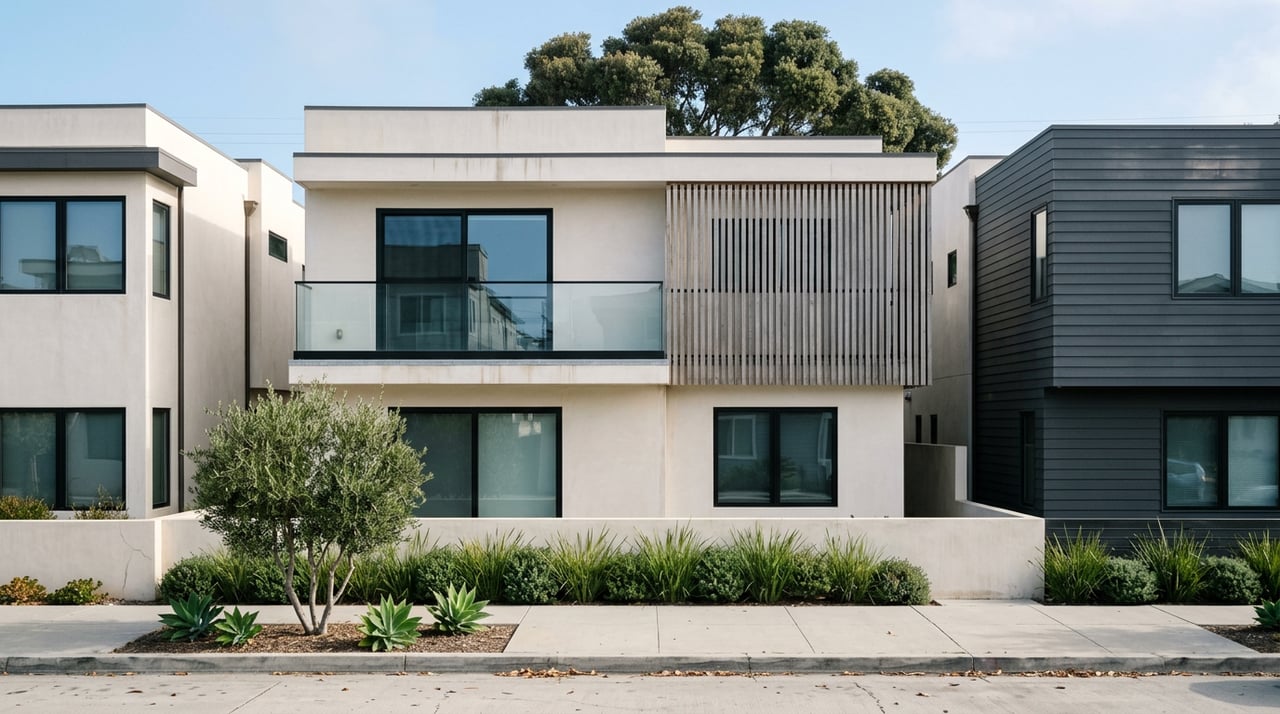
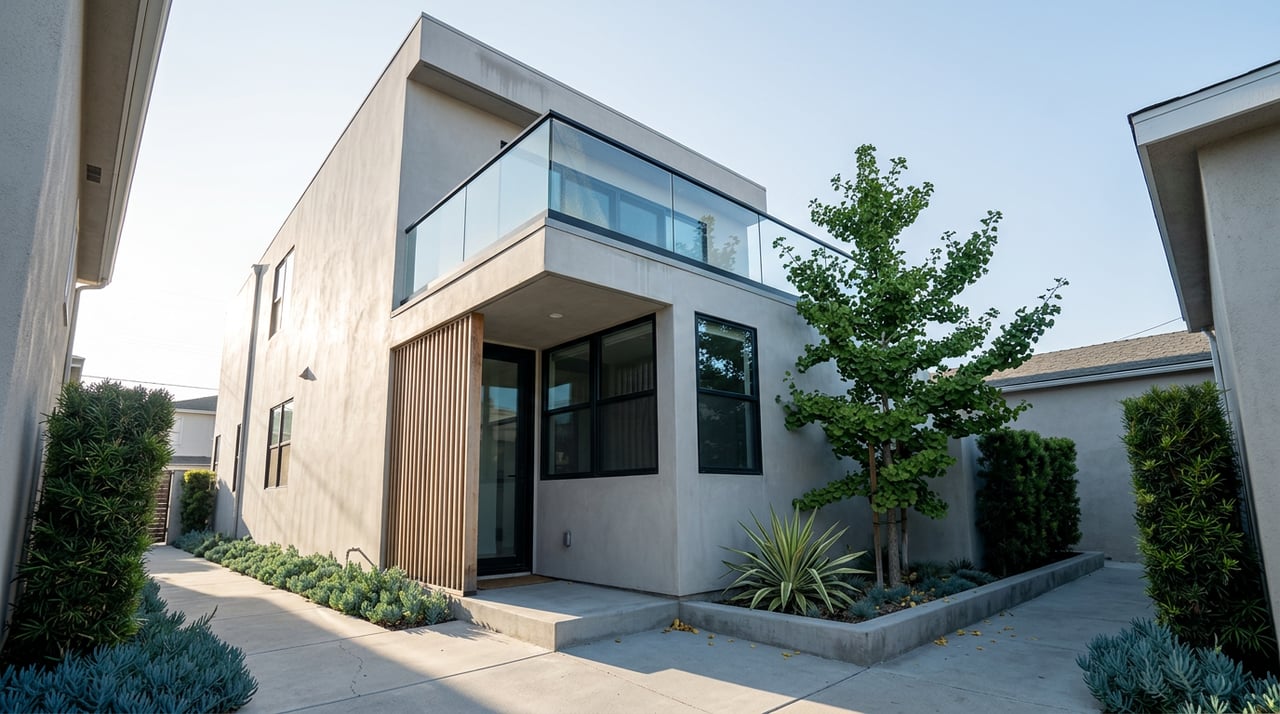
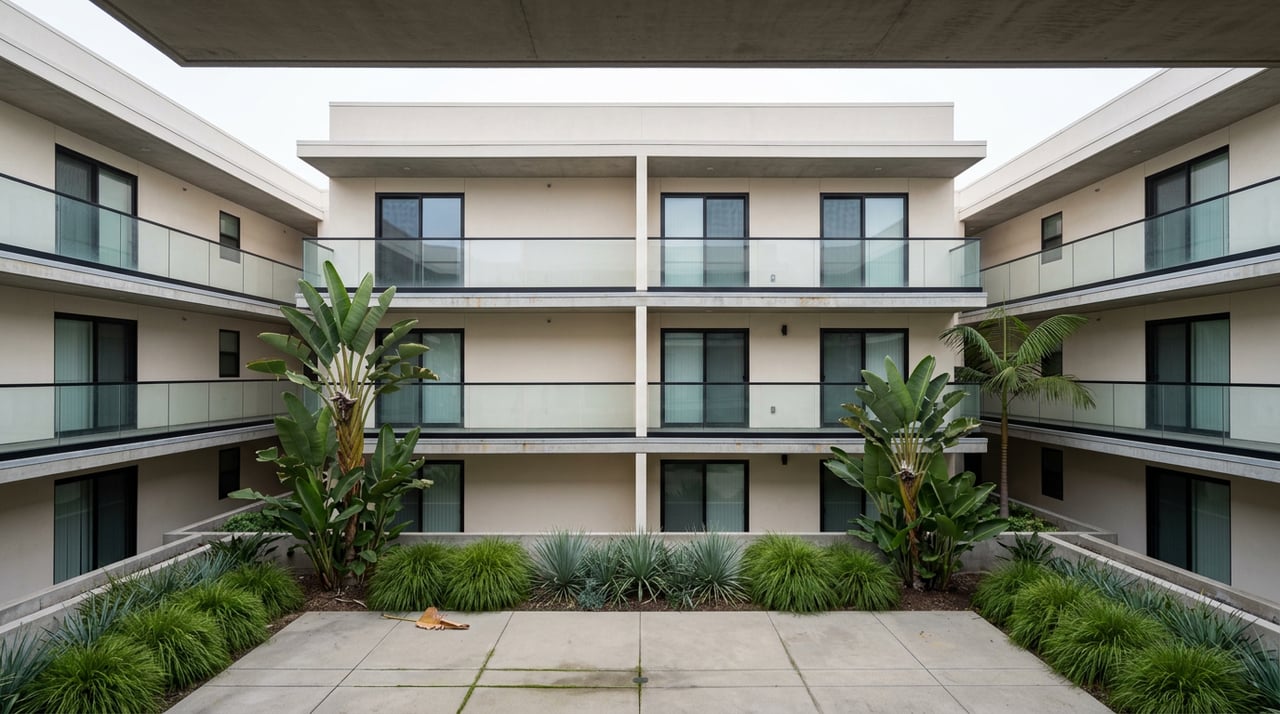
Culver City’s housing stock is more varied than many buyers expect. The city’s housing element shows that about 39% of units are detached single-family homes, 39% are in multifamily buildings with five or more units, 12% are in smaller multifamily buildings with two to four units, and 9% are attached single-family homes such as condos or townhomes. That mix gives you options, but it also means your search strategy should match your lifestyle and budget.
A condo or townhome may fit if you want a lower-maintenance setup or a more accessible price point than a detached home. A larger multifamily building may make sense if you are renting first and want flexibility. Detached homes are part of the market too, but supply can feel tighter in a city this established.
Older Homes Matter in Culver City
One of the most important things to know before you buy is the age of the housing stock. Culver City reports that about 63% of units are at least 50 years old, and about 92% are at least 30 years old. In practical terms, many properties come with history, character, and systems that deserve a close look.
For buyers, this makes inspections especially important. Older homes and older buildings can require thoughtful review of condition, maintenance, and any future improvement plans. If you are relocating from a market with newer housing, this is one of the biggest mindset shifts to make early.
What Prices and Rents Tell You
Culver City sits in a premium Westside price tier, and the data makes that clear. Redfin reported a median sale price of $1.45 million in March 2026, with homes receiving about six offers on average and spending roughly 37 days on market. That suggests a market where serious buyers need to be prepared, especially when a home is well-priced and well-located.
At the same time, Realtor.com reported a March 2026 median listing price of about $999,499, along with 134 homes for sale and 207 rentals. These numbers are based on different datasets, so they are not directly interchangeable. What they do show is that Culver City has both active for-sale and rental inventory, but your budget needs to be grounded in the part of the market you actually plan to target.
Rental pricing also varies meaningfully within the city. Realtor.com’s March 2026 snapshot put the citywide median rent at $3,678 per month, with Fox Hills at $2,915 and Lucerne-Higuera at $4,294. ZIP code differences were notable too, with 90230 listed at $3,026 and 90232 at $3,927.
The takeaway is simple: in Culver City, your budget can shift dramatically based on location, building type, and neighborhood context. Bedroom count matters, but it is not the only driver. If you are relocating, it helps to compare subareas side by side instead of thinking about the city as one single price point.
Getting Around Culver City
If commute matters, start with rail and bus before you lock in a home search. Metro’s E Line is a major anchor for Culver City, running between East Los Angeles and Santa Monica. Current service includes key stops such as Culver City, Westwood/Rancho Park, Downtown Los Angeles, Little Tokyo/Arts District, and Downtown Santa Monica.
The Culver City Metro Station also connects with local bus service, which expands your practical commute map. Culver CityBus runs seven regular routes plus one BRT route, serving communities that include Venice, Westchester, Westwood, West Los Angeles, Palms, Marina del Rey, Rancho Park, Mar Vista, Century City, and Playa Vista. If your work or daily routine connects to those areas, bus service may be more useful than you expect.
For a more car-light lifestyle, the city also notes three popular bike paths, additional on-street bike lanes, and bike racks on Culver City buses. The MOVE Culver City project connects Downtown Culver City with the E Line station and Arts District, which reinforces downtown’s role as one of the city’s more transit-oriented and walkable areas.
If airport access matters, the current regional network also includes the LAX/Metro Transit Center and Culver CityBus Line 6 and Rapid 6. That will not make every airport trip effortless, but it does give frequent flyers and airport-adjacent workers another planning tool.
How to Plan a Smart Scouting Trip
A relocation trip works best when you test daily life, not just housing photos. In Culver City, that means spending time in Downtown Culver City, the Arts District, West Washington, and Fox Hills, all of which the city formally recognizes as distinct business or planning areas. Each one can feel different in pace, housing type, and access.
Try to test your commute during your real departure window, not just during a convenient midday gap. Rail, bus, and driving can each make sense depending on your destination, and the best choice may change based on where you work. This one exercise can save you from choosing a location that looks right on paper but feels wrong on a Tuesday morning.
If you are touring downtown, the city operates three public parking structures. That makes it easy to build a lunch stop, evening walk, or back-to-back property tour into the same outing. A good scouting day should show you how the neighborhood works once the novelty wears off.
Renting First vs Buying First
For many new Angelenos, renting first is the more practical move. It gives you time to learn your commute, understand which parts of Culver City feel most comfortable, and see how your routines line up with transit, errands, and daily traffic. That kind of clarity can be hard to get before you have lived in the city for a few months.
Buying can make sense if you are planning to stay longer term and are ready for a higher-entry Westside market. But current sale prices, older housing stock, and a market where desirable homes can move quickly all point to the need for preparation. You want enough time for inspections, enough flexibility for repairs or updates, and a strategy that helps you act decisively when the right property appears.
Important Rental Rules to Know
If you plan to rent in Culver City, local rules matter. The city says its Rent Stabilization Ordinance applies to parcels with two or more rental units built on or before February 1, 1995. Single-family homes, townhomes, and condos are generally exempt from rent stabilization.
The city also states that all rental units must be registered and that it administers its own permanent program rather than AB 1482. For renters, that means lease terms and rent protections can vary significantly depending on the building type and year built. It is worth confirming those details early so you know exactly what kind of housing you are comparing.
Culver City also offers free tenant legal help through Bet Tzedek for city residents. That can be useful if you need help understanding lease issues, rent stabilization coverage, or tenant protections after you move.
What to Focus On Before You Choose
If you are narrowing down Culver City, keep your decision anchored to a few practical filters. Focus on your real commute, your monthly housing budget, the type and age of housing you are comfortable with, and whether you want flexibility or long-term stability. Those four variables will usually narrow the field faster than broad online browsing.
It also helps to remember that Culver City is not one-size-fits-all. A renter comparing Fox Hills with a higher-rent area may reach a very different conclusion than a buyer targeting a detached home near downtown or another established pocket. The right fit comes from matching your daily habits with the right micro-location.
If you are relocating within the Westside or arriving from out of market, local context matters even more. That is where neighborhood-level guidance can help you move faster and with more confidence.
If you are planning a move and want a clear, strategic read on where Culver City fits within your broader Westside search, Michael Grady can help you compare neighborhoods, refine your criteria, and access the kind of local insight that makes relocation smoother.
FAQs
What is the housing mix in Culver City for new residents?
- Culver City has a mixed housing stock that includes about 39% detached single-family homes, 39% multifamily buildings with five or more units, 12% smaller multifamily buildings, and 9% attached single-family homes such as condos or townhomes.
What do Culver City home prices look like in 2026?
- Redfin reported a March 2026 median sale price of $1.45 million, while Realtor.com reported a March 2026 median listing price of about $999,499, reflecting different datasets and segments of the market.
What do Culver City rents look like by area?
- Realtor.com reported a March 2026 citywide median rent of $3,678 per month, with variation by area including Fox Hills at $2,915 and Lucerne-Higuera at $4,294, plus notable differences between ZIP codes 90230 and 90232.
How can you commute from Culver City to other parts of Los Angeles?
- Culver City is served by Metro’s E Line, Culver CityBus regular and BRT routes, local bus connections, bike infrastructure, and regional access that includes routes connected to the LAX/Metro Transit Center.
When does renting first make sense in Culver City?
- Renting first can make sense if you want time to test commute patterns, learn the city’s subareas, and decide which location and housing type best fit your daily life before committing to a purchase.
What rental rules should renters know in Culver City?
- Culver City says its Rent Stabilization Ordinance applies to parcels with two or more rental units built on or before February 1, 1995, while single-family homes, townhomes, and condos are generally exempt.
What should buyers know about older homes in Culver City?
- Because much of Culver City’s housing stock is older, buyers should pay close attention to inspections, property condition, and potential repair or renovation needs before making a purchase.
What areas should you visit on a Culver City scouting trip?
- A practical scouting trip should include Downtown Culver City, the Arts District, West Washington, and Fox Hills, along with a real-world commute test during your actual workday travel window.
This post was written by Emma Wollitz of The Grady Group at The Agency. For more insights, visit grady-group.com/blogs or contact us at 310-995-8774.