Love the beach, but not necessarily the trade-offs that come with living right on the coast? Culver City can give you a smart middle ground. If you want easier access to Venice, Santa Monica, or Marina del Rey while also staying connected to jobs, dining, and everyday conveniences, this city deserves a closer look. Here’s what The Grady Group has to say about what makes Culver City appealing for Westside beach lovers, and what you should know if you’re considering a move.
Why Culver City Fits Beach Lovers
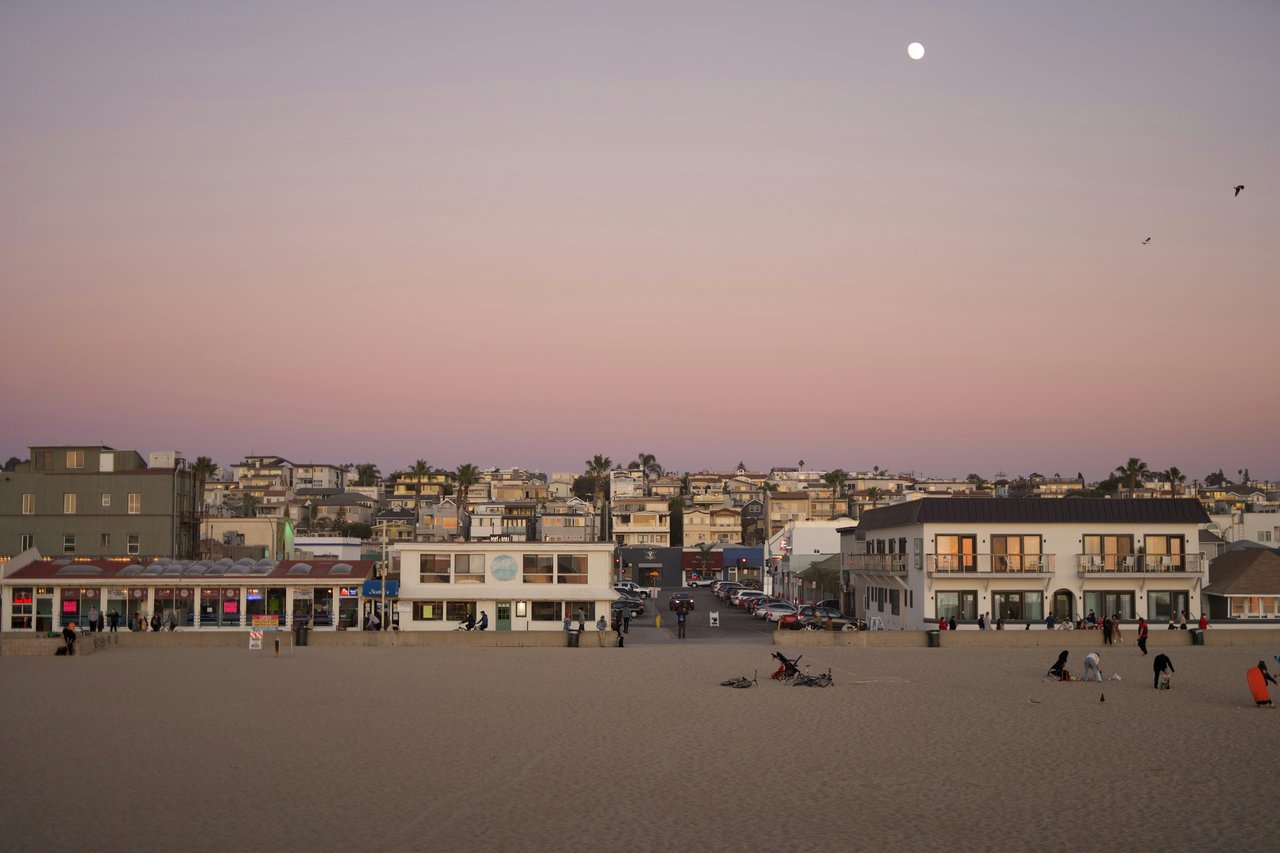
Culver City works well if you want a beach-oriented routine without living directly on the shoreline. According to the city’s Transportation Department, local mobility includes bus, rail, and bike connections that reach Venice, Marina del Rey, Playa Vista, West LA, and other nearby communities. That creates real flexibility for regular beach outings, not just occasional weekend trips.
The appeal is practical. You can build beach time into your week while living in a more mixed-use, job-connected environment than many traditional beach towns. For buyers who want both coastal access and a strong everyday base, that balance is a big part of Culver City’s draw.
Beach Access Beyond Driving
One of the strongest lifestyle advantages here is that beach access is not limited to getting in the car. Culver CityBus has deep roots in coastal travel, with service from Culver City to Venice Beach dating back to 1928. Today, the system includes seven regular routes and one BRT route across a 33-square-mile service area, according to the city’s transportation overview.
That service area includes Venice, Marina del Rey, Westwood, West LA, and Playa Vista. For someone who likes to mix beach mornings with workdays, errands, or dinner plans, that kind of connectivity matters. It gives you more than one way to move around the Westside.
Bike Routes to the Coast
If biking is part of your routine, Culver City stands out even more. The Ballona Creek Bike Path runs 7 miles from east Culver City to the Pacific Ocean and connects to both Santa Monica Beach and the South Bay Bike Path. That means your route to the coast can feel active and direct rather than purely car-dependent.
The city also notes that all Culver City buses have bike racks, and the Expo Bike Path links the Ballona Creek Bike Path to the La Cienega and Culver City Expo Line stations. In real life, that supports a flexible routine where biking, rail, and bus travel can work together.
Rail and Transit Connections Matter
Culver City also benefits from strong regional rail access. Metro’s facts page identifies the E Line as a light-rail route running from Santa Monica to East Los Angeles, with a Bike Hub at Culver City station. For Westside buyers, that helps position Culver City as a base that connects well in more than one direction.
That matters because beach access is only part of daily life. You may also want smoother access to work, cultural destinations, or other parts of Los Angeles. Culver City’s mix of local bus service, rail infrastructure, and bike connections makes it more transit-oriented than many people expect.
More Than a Beach Shortcut
Culver City is not just a convenient launch point for beach days. It also has its own energy, with business districts, dining, events, and a creative economy that shape day-to-day life. If you want a neighborhood experience that feels active and local, this is an important part of the story.
The city’s business districts page highlights several distinct areas. The Arts District BID is tied to the annual Art Walk and Roll event, Culver Village includes more than 50 businesses with local goods and gourmet dining, and Washington West brings together artisan restaurants, creative businesses, specialty retail, and services near Marina del Rey.
A Strong Creative Economy
Culver City also has a well-documented creative foundation. In the city’s General Plan materials on arts, culture, and the creative economy, the local creative economy indexed at about 12 in 2018 compared with a national average of 1. Identified sectors include motion picture and video production, software publishing, advertising agencies, and internet publishing and broadcasting.
That creative presence helps explain why Culver City often feels lively and current while still practical. It supports a mix of work, culture, and neighborhood activity that can be appealing if you want more than a classic beach-town setting.
What the Housing Mix Feels Like
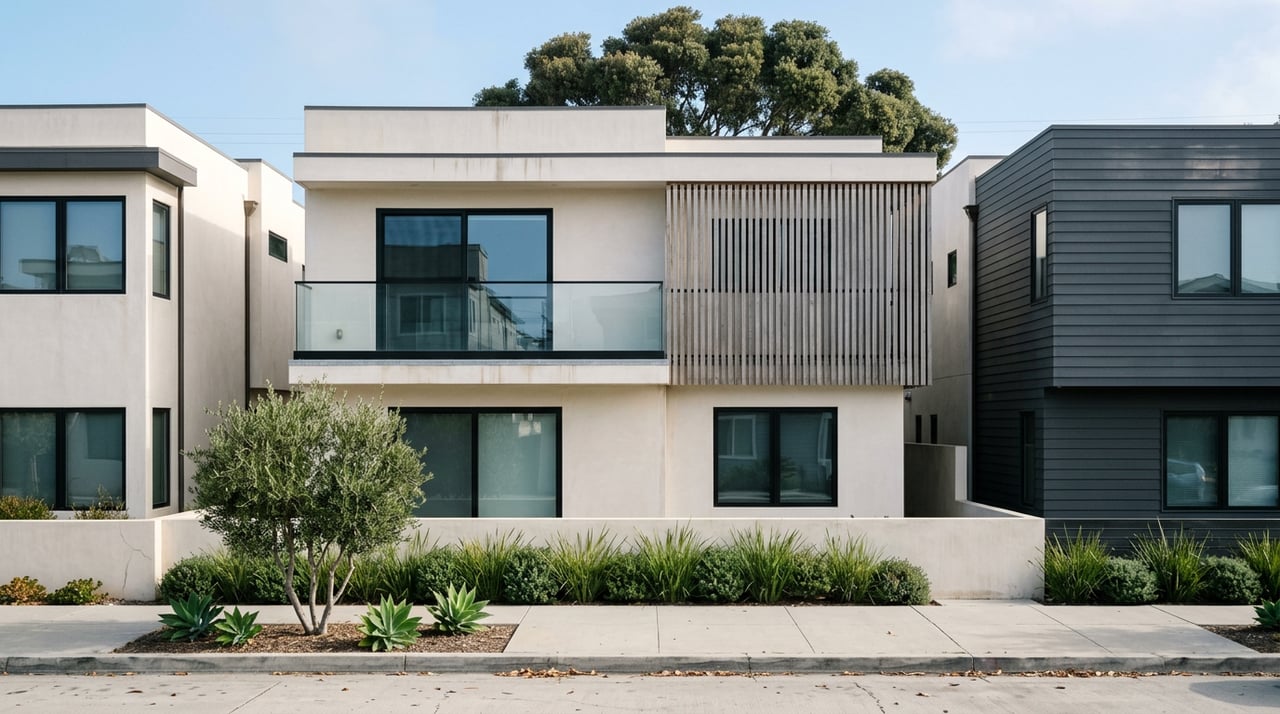
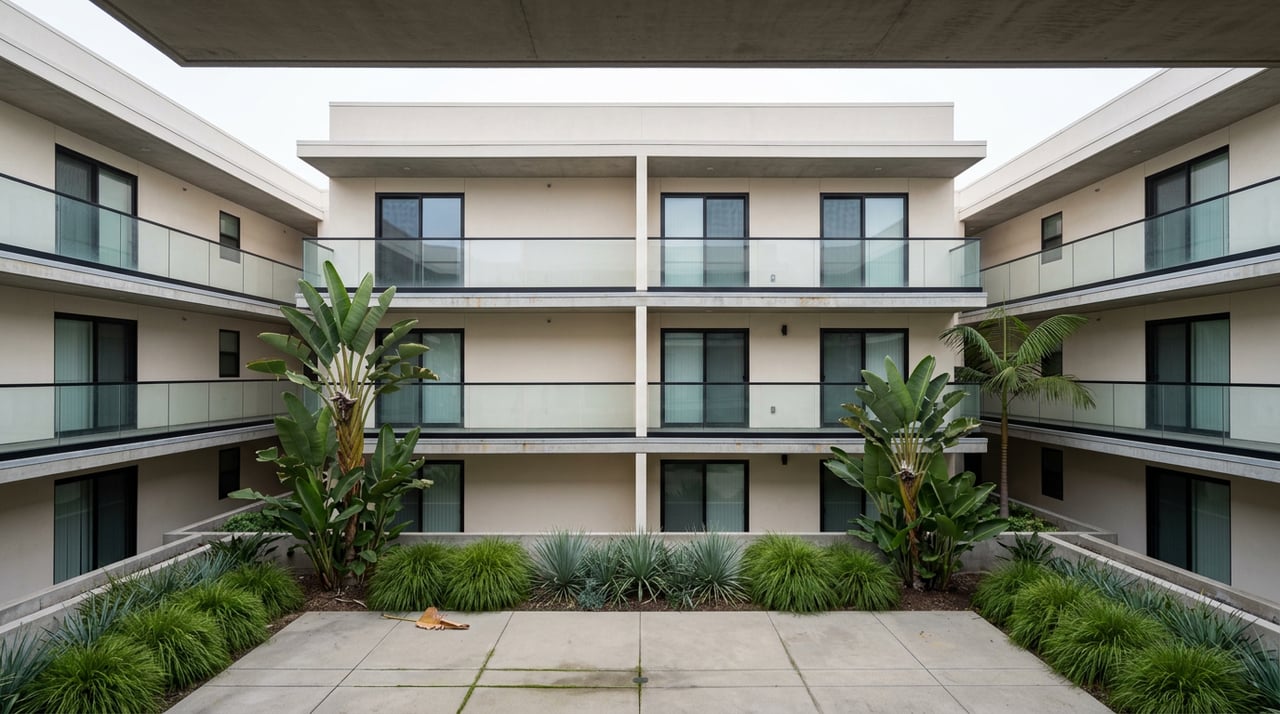
For buyers, housing variety is another key reason to pay attention to Culver City. The city reflects several development eras, so the housing stock does not feel one-note. Instead, you’ll find a blend of older single-family homes, postwar multifamily options, townhomes, condominiums, and newer infill development.
According to the city’s historical context study, areas such as Fox Hills saw larger and denser townhome and condominium development in the 1960s and 1970s, with the city’s first condominium complex built in 1965. The study also notes that Culver City was largely built out by about 1980, which helps explain the layered, established feel many buyers notice.
Single-Family and ADU Potential
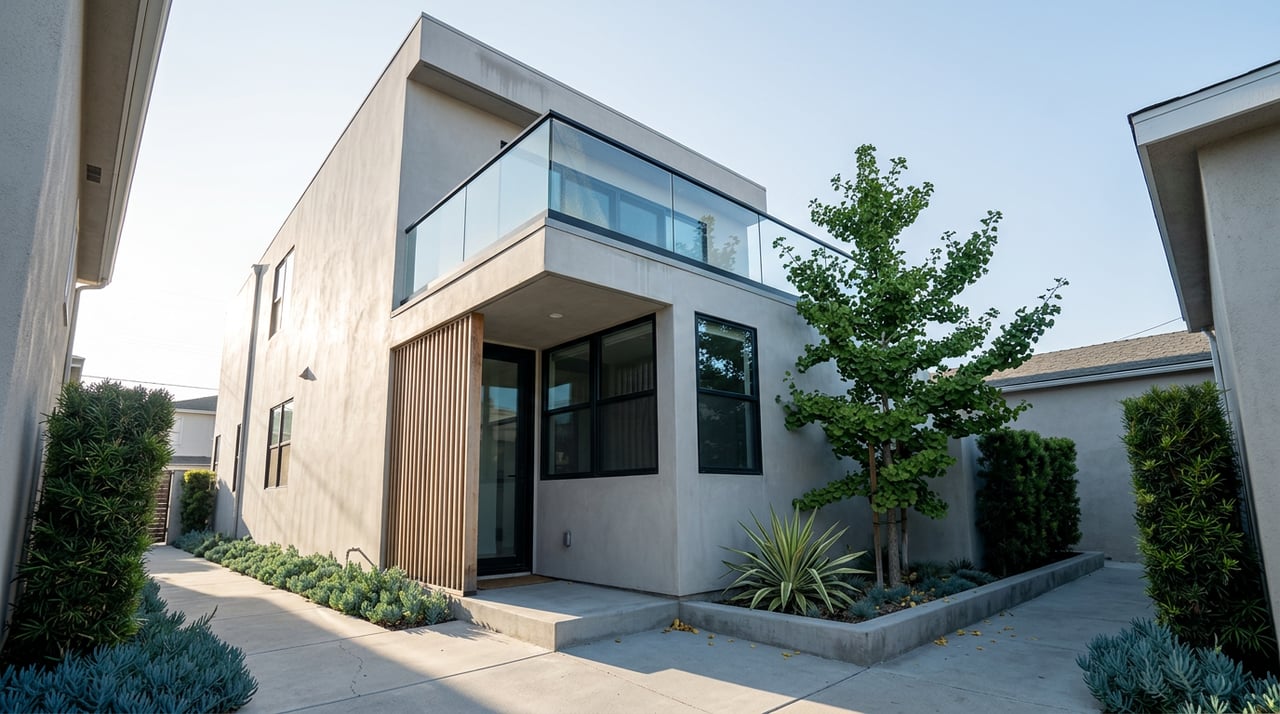
Single-family lots still play an important role in the city’s housing picture. Culver City’s ADU materials show that accessory dwelling units are commonly added to single-family home sites, with pre-approved plans available in studio, one-bedroom, and two-bedroom layouts. The styles include Post-War Bungalow, Spanish Revival, and Contemporary, which adds another layer to the city’s residential character.
For some buyers, that may create long-term flexibility. Whether you are thinking about multigenerational use, guest space, or future planning, it is worth understanding how property type and lot configuration can shape your options.
Architecture Across Eras
Culver City’s current objective design standards identify several residential and mixed-use style families, including Spanish/Mediterranean, Modern, Americana, Cottage, Craftsman, and Prairie. The standards describe Spanish/Mediterranean homes as stucco structures with clay tile roofs and arched openings, while Craftsman homes emphasize exposed rafters, front porches, and square or tapered columns.
For you as a buyer, that means the city can offer a broad visual range. Some blocks may feel rooted in older Southern California design, while others reflect midcentury, postwar multifamily growth, or newer contemporary infill.
Who Culver City May Suit Best
Culver City may be especially appealing if you want to stay close to the coastal lifestyle without making the beach your entire identity. It can suit buyers who value regular access to Venice, Santa Monica, and Marina del Rey, but also want a home base tied into transit, dining, business districts, and creative employment centers.
It can also make sense if you appreciate having options in how you move around. If you like the idea of combining rail, bus, biking, and driving depending on the day, Culver City offers an infrastructure mix that supports that kind of routine.
What to Keep in Mind as You Search
If you are considering Culver City, try to look beyond simple map distance. The better question is how you want your week to function. For some buyers, direct bike access to the coast may matter most. For others, rail access, a mixed housing stock, or proximity to local business districts may be the bigger win.
It also helps to think block by block and property by property. Culver City is not a one-style market, and that variety can be a strength if you know what fits your goals. A focused search can help you weigh lifestyle, mobility, architectural character, and long-term flexibility in a more thoughtful way.
If you’re exploring Culver City as a smart base for Westside beach living, working with a team that understands both coastal LA and the lifestyle trade-offs can make the process clearer. Michael Grady offers neighborhood-informed guidance for buyers seeking the right fit near Venice, Marina del Rey, and the broader Westside.
FAQs
Can you live in Culver City and still do frequent beach days?
- Yes. Culver City has bus service to areas including Venice and Marina del Rey, E Line access to Santa Monica, and the Ballona Creek Bike Path reaches the Pacific Ocean and connects to Santa Monica Beach and the South Bay Bike Path.
What kind of housing can buyers expect in Culver City?
- Buyers can expect a mix of older single-family homes, postwar multifamily properties, townhomes, condominiums, and newer infill, with architectural styles that include Spanish Revival, Craftsman, Modern, and Contemporary influences.
Is Culver City more transit-oriented than a typical beach suburb?
- Based on the city and Metro sources, it can be. Culver City combines local bus service, the E Line, a Bike Hub, bike racks on buses, and connections like the Ballona Creek and Expo bike paths.
What makes Culver City appealing beyond beach access?
- Culver City also offers active business districts, dining, public events, a Tuesday farmers market, and a strong creative economy tied to sectors like film, advertising, software publishing, and digital media.
Why do Westside buyers consider Culver City instead of living directly on the coast?
- Many buyers like the balance. Culver City offers practical access to beach areas while also providing stronger connections to jobs, transit, mixed-use districts, and a wider range of housing types.
This post was written by Bianca Boey of The Grady Group at The Agency. For more insights, visit grady-group.com/blogs or contact us at 310-995-8774.