Wondering why one Venice home feels instantly compelling while another, with similar square footage, lingers on the market? In a coastal neighborhood where architecture, outdoor living, and presentation all shape buyer perception, design choices can have a real effect on value. If you own, plan to sell, or hope to buy in Venice, it helps to understand which design trends support resale and which ones can miss the mark. Let’s dive in.
Why design matters in Venice
Venice is a premium but highly segmented market, which means buyers often compare homes closely. As of April 2026, reported price points vary by source, with Realtor.com showing a $2.295 million median listing price, Redfin reporting a $1.899 million median sale price over the prior three months, and Zillow showing a $2.065 million median sale price. These figures are not directly comparable, but together they suggest a market where buyers have options and presentation matters.
That dynamic becomes even clearer at the micro-market level. Venice Canals shows a $2.5 million median listing price and 72 median days on market, while Milwood shows a $4.295 million median listing price, 40 median days on market, and a 95% list-to-sale ratio. In other words, design is not just about style in Venice. It is part of how buyers judge fit, quality, and long-term value.
Venice architecture shapes value
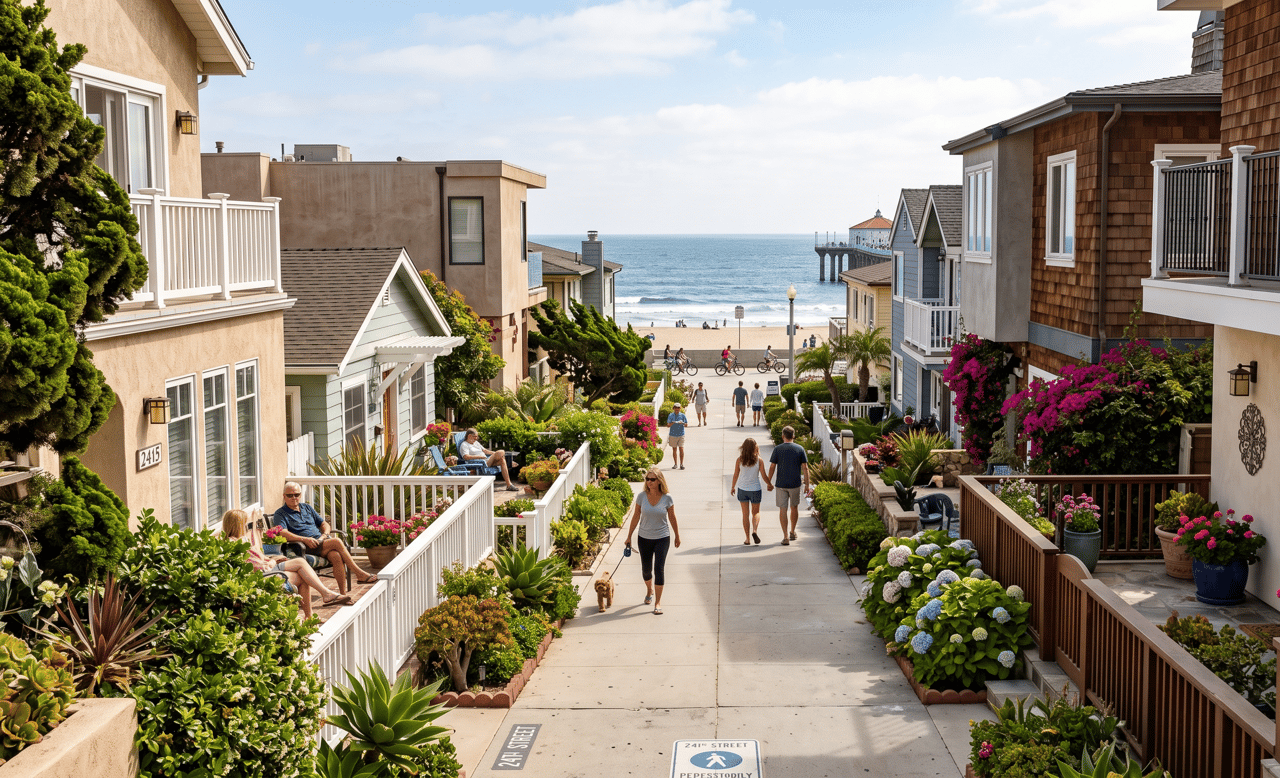
A big reason design matters here is that Venice has a strong architectural identity. SurveyLA describes the Lost Venice Canals Historic District as 449 properties shaped by the original canal network, with many homes designed in Craftsman and other Period Revival styles. The North Venice Walk Streets and Milwood Venice Walk Streets districts also reflect older neighborhood patterns, modest lots, pedestrian-oriented layouts, and homes that often feature Craftsman, Victorian vernacular, and other historic forms.
For buyers, that context matters. Homes that feel connected to Venice’s built character often read as more authentic than remodels that could sit anywhere in Los Angeles. When a property respects neighborhood scale, pedestrian orientation, and the architectural logic around it, it tends to feel more grounded and more valuable.
Character often beats generic updates
In Venice, a remodel does not always create value just because it is new. A generic interior with flat finishes and no relation to the home’s original style can feel out of place, especially in canal and walk-street pockets. Buyers are often responding to a fuller experience that includes curb appeal, materials, proportions, and how the home fits the street.
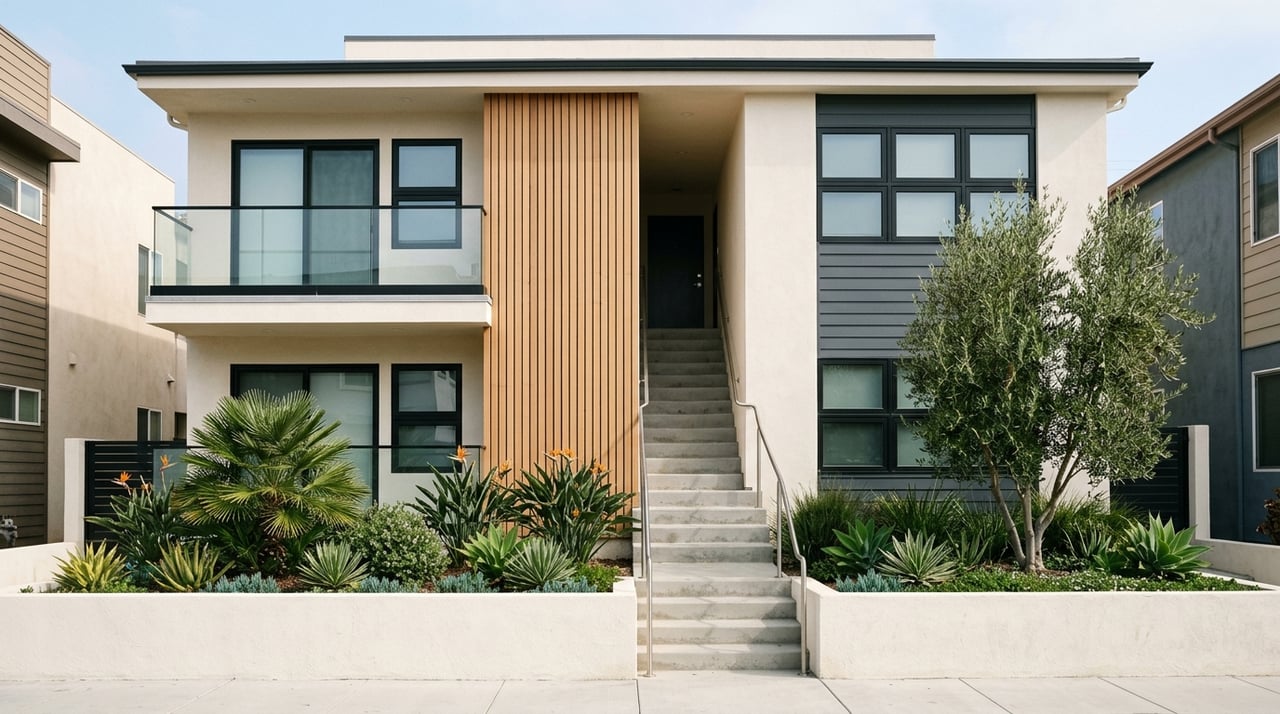
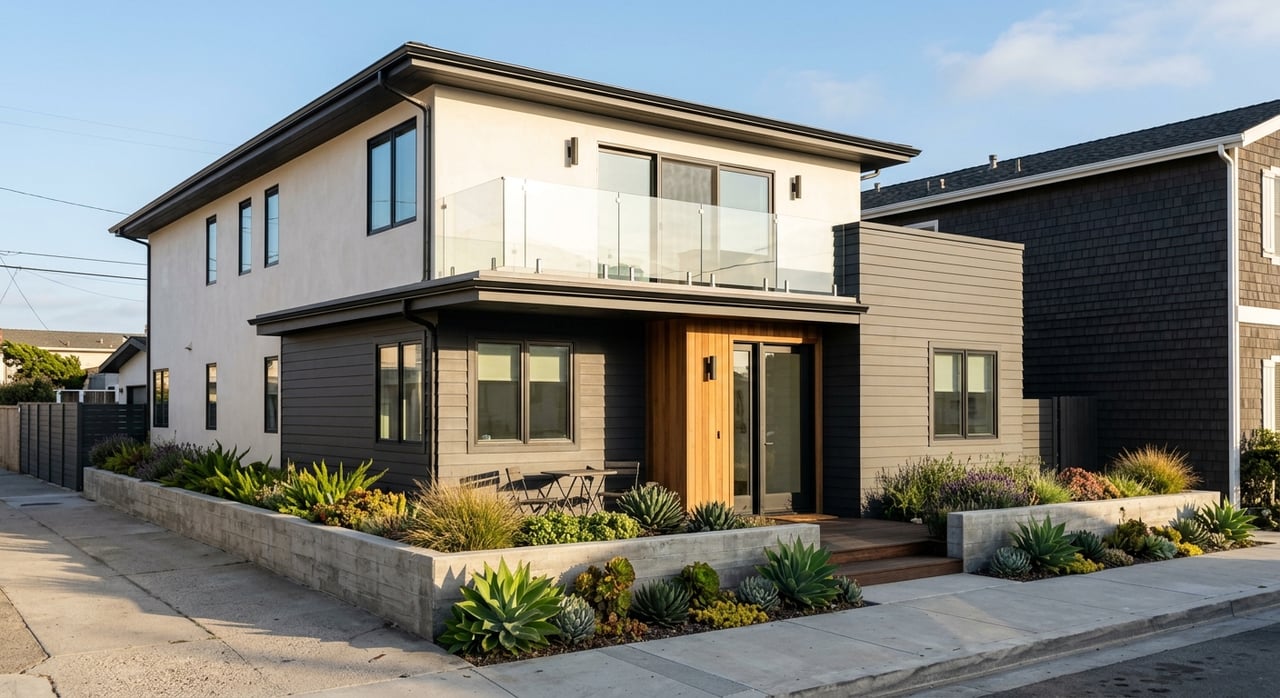
That does not mean every home needs to look historic. Contemporary coastal homes can perform very well here too, especially when they feel customized, well-resolved, and connected to the beach lifestyle. The common thread is coherence.
Interior trends buyers notice now
Recent buyer research points to a coastal-modern and organic-modern direction rather than builder-grade minimalism. Zillow’s 2026 Buzz Index found stronger buyer engagement for exposed beams, brick, arched doorways, vintage details, and classic styles such as Victorian, Tudor, midcentury, and bungalows. In a place like Venice, those preferences line up with a market that values texture and personality.
Zillow’s 2025 research also found that homes with soapstone countertops, white oak floors, and Venetian plaster walls sold for as much as 3.5% more than expected. Its 2026 research adds that quartzite countertops, customized homes, and turnkey homes are outperforming less finished alternatives. For Venice sellers, that suggests buyers are rewarding homes that feel tactile, durable, and move-in ready.
What that looks like in a Venice home
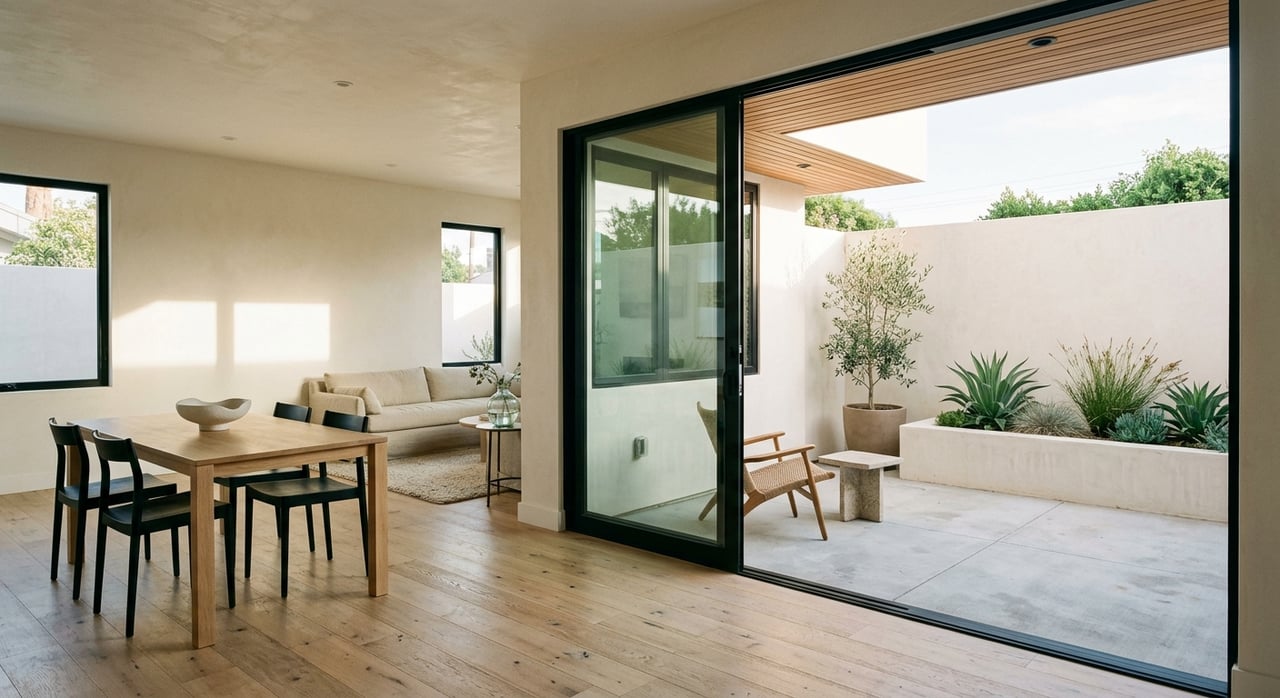
In practical terms, the strongest interiors often balance warmth with restraint. Think natural wood flooring, layered plaster or textured surfaces, thoughtful millwork, and materials that feel elevated without feeling overly polished. Buyers tend to respond when a home feels finished and intentional rather than trendy for trend’s sake.
This is especially important in higher-value coastal housing, where buyers may be paying a premium for design confidence. A home that feels customized and complete can stand apart more easily than one that looks recently flipped but not fully considered.
Outdoor living is part of the value story
In Venice, outdoor space is not just a bonus feature. It is part of how buyers imagine daily life near the beach. Zillow’s 2025 search trend data showed increased buyer interest in features like pool, patio, yard, view, beach, and waterfront, while Zillow’s 2025 and 2026 research showed premiums tied to outdoor kitchens, outdoor showers, bluestone patios, and outdoor fireplaces.
That matters because Venice buyers often place a premium on indoor-outdoor flow. A well-designed patio, strong frontage, useful terrace, or inviting entry sequence can elevate the whole property. Even smaller lots can benefit when exterior space feels usable, private, and visually aligned with the home.
Curb appeal still carries weight
First impressions remain important. The 2025 Remodeling Impact Report notes that curb appeal matters to both buyers and sellers, and that painting the entire home, painting one room, and new roofing are among the most commonly recommended pre-sale projects. REALTORS also reported increased demand in the last two years for kitchen upgrades, new roofing, and bathroom renovations.
For Venice homeowners, this reinforces a simple idea. Exterior paint, roof condition, landscape design, and entry presentation often influence value before a buyer even steps inside. In a market with choice, that first read can shape the rest of the showing.
Turnkey condition has become more important
Condition matters more when buyers have room to be selective. NAR reports that 46% of buyers are less willing to compromise on condition. Zillow’s 2026 research found that turnkey homes sold for 2.9% more than expected, while fixer-uppers sold for 14% less.
That gap is meaningful in Venice, where design-forward buyers often want both style and ease. If your home already has strong architecture, bringing the finishes, maintenance, and outdoor spaces up to the same standard may have a bigger payoff than a dramatic but disconnected redesign.
Smart updates for Venice sellers
If you are preparing to sell, the highest-leverage strategy is usually to preserve the home’s architectural logic and improve the areas buyers notice first. That means focusing on visible condition, cohesive finishes, and the spaces that support the Venice lifestyle.
Here are the updates most likely to support value based on the research:
- Exterior paint that sharpens curb appeal
- Roof improvements if condition is a concern
- Kitchen updates with durable, elevated materials
- Bathroom refreshes that feel clean and current
- Landscape and entry improvements
- Usable patios or entertaining areas
- Outdoor features such as showers, kitchens, or fireplaces when appropriate
- Interior finishes that feel warm, textural, and move-in ready
The goal is not to chase every trend. It is to present a home that feels complete, compatible with its setting, and easy for buyers to say yes to.
Planning cautions in historic pockets
Before making exterior changes in Venice, it is important to understand whether your property sits in a local historic district. According to the City of Los Angeles, additional review may be required for exterior renovations, additions, new construction, and even changes such as landscaping and paint. That is especially relevant in canal and walk-street areas, where city planning documents emphasize preserving pedestrian orientation and compatible development.
If your home is in one of these pockets, design decisions may need to account for more than resale appeal alone. The strongest strategy is often one that improves presentation while respecting the surrounding neighborhood pattern and built character.
What buyers should watch for
If you are buying in Venice, design trends can help you read value more clearly. A home with strong architectural character, durable finishes, and thoughtful outdoor space may justify a premium if it saves you time, money, and uncertainty after closing. On the other hand, a home with flashy updates but weak coherence may not hold the same long-term appeal.
This is where local context matters most. A modern canal house, a walk-street bungalow, and a larger Milwood property can all perform differently based on how well the design fits the micro-market. Looking beyond surface style can help you spot which homes are truly well-positioned.
Why local design context matters
In Venice, design is tied to value because buyers are not only purchasing square footage. They are buying into a specific coastal setting with a visible architectural identity, a pedestrian-oriented public realm in key pockets, and a lifestyle that extends outside. That makes thoughtful design a market signal, not just a personal preference.
For sellers, that means the right improvements can strengthen pricing power and marketability. For buyers, it means good design often reflects more than aesthetics. It can point to better fit, better usability, and better long-term appeal in one of Los Angeles’ most design-sensitive coastal markets.
If you are thinking about selling, buying, or refining a property strategy in Venice, working with an advisor who understands both micro-market pricing and neighborhood design context can make a meaningful difference. To explore your options with a local coastal specialist, connect with Michael Grady.
FAQs
How do Venice design trends affect home value?
- In Venice, design can influence buyer perception, marketability, and pricing because buyers often respond to architectural character, turnkey condition, and strong indoor-outdoor living.
What interior finishes are popular with Venice buyers?
- Current research points to warm, textural finishes such as white oak floors, Venetian plaster walls, soapstone or quartzite counters, exposed beams, and vintage or classic design details.
Why is outdoor space so important for Venice homes?
- Outdoor space matters because the coastal lifestyle rewards patios, yards, outdoor showers, outdoor kitchens, and other features that extend daily living beyond the interior.
What upgrades should Venice sellers prioritize before listing?
- Sellers often see the most benefit from exterior paint, roof condition, kitchen and bath improvements, landscape upgrades, entry presentation, and functional outdoor entertaining space.
Do historic district rules affect Venice renovations?
- Yes. In local historic districts, the City of Los Angeles may require additional review for exterior changes, additions, new construction, landscaping, and paint, so owners should confirm parcel status before starting work.