If you are deciding between North and South Redondo Beach, you are not choosing between a good area and a bad one. You are choosing between two different ways to live by the coast. That can feel exciting and a little overwhelming, especially when home style, beach access, commute patterns, and school boundaries all come into play. This guide will help you compare the two sides of Redondo Beach so you can focus on the fit that makes the most sense for your goals. Let’s dive in.
North vs South Redondo Basics
Redondo Beach is commonly divided around 190th Street. According to the city, North Redondo begins north of 190th Street and is primarily inland, while South Redondo includes Riviera Village, the pier, harbor, and marina area west of Pacific Coast Highway.
That basic geography shapes a lot of the home search. North Redondo often appeals to buyers who want a more residential, inland setting, while South Redondo tends to draw buyers who want to be closer to the beach, waterfront activity, and walkable coastal amenities.
What North Redondo Feels Like
North Redondo is described by the city as more residential and inland. Major anchors include South Bay Galleria, Artesia Boulevard, and the Redondo Beach Performing Arts Center, which gives the area a practical, neighborhood-centered feel.
The city also notes that North Redondo is home to nearly two-thirds of Redondo Beach’s children. For many buyers, that makes parks, residential streets, and school assignment an important part of the decision, even though each address still needs to be checked individually.
North Redondo Housing Character
The city’s residential design guidelines identify character areas such as the North Redondo Villa Tract and the TRW tract. In practical terms, that points to a mix of older tract homes and newer infill development.
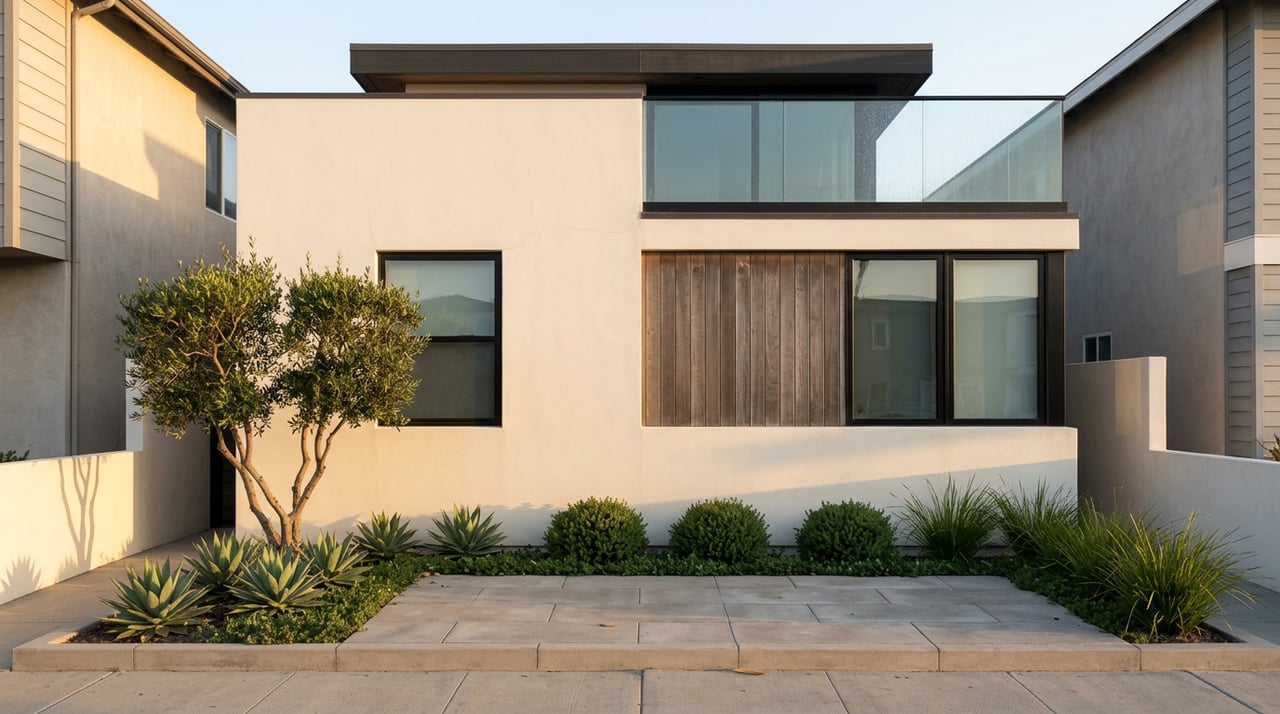
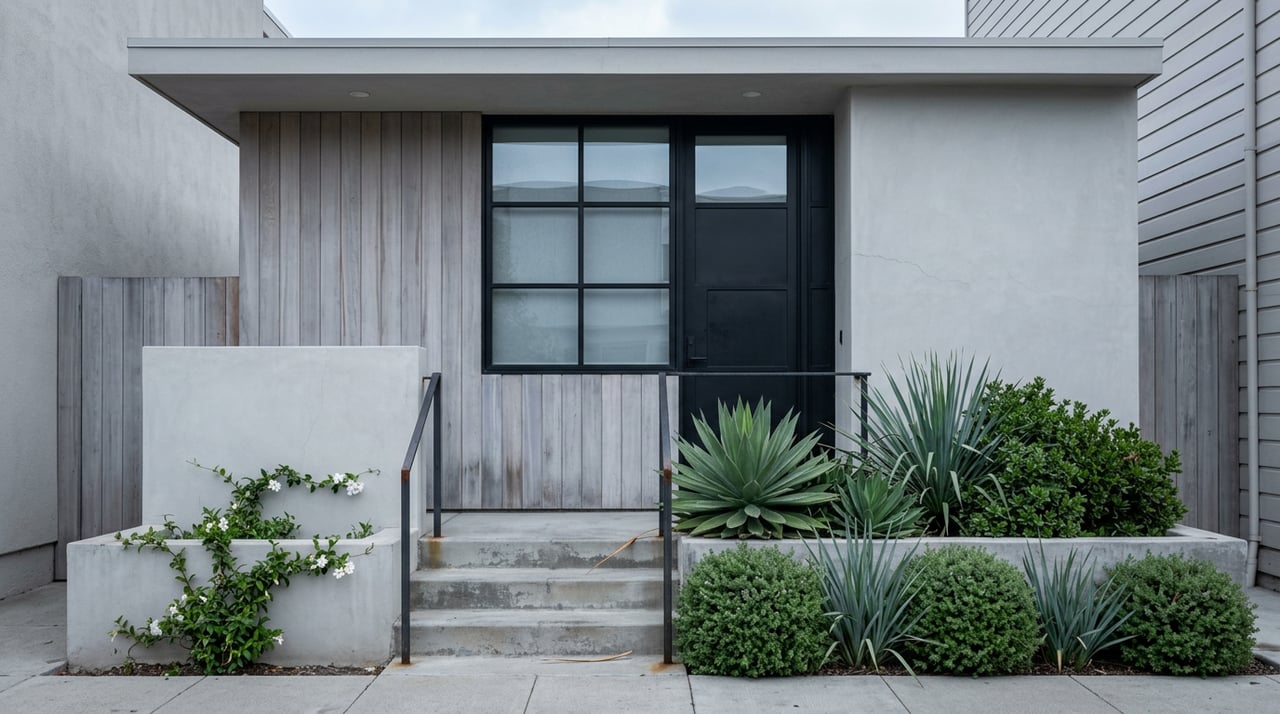
You may see a range of property types here, but inland areas are more likely to lean toward single-family homes. If you want a residential setting with easier access to local commercial corridors, North Redondo often lands on the short list.
What South Redondo Feels Like
South Redondo is where the city places many of its best-known coastal activity centers. Riviera Village, the pier, harbor, marina, and oceanfront areas are all part of the draw.
The city also highlights Redondo Beach’s two miles of beach frontage, active harbor and fishing pier, and The Strand, which runs from South Redondo north toward Santa Monica with a break at King Harbor and the Pier complex. For you as a buyer, that means South Redondo usually offers more immediate access to beach walks, waterfront dining, and harbor recreation.
South Redondo Housing Character
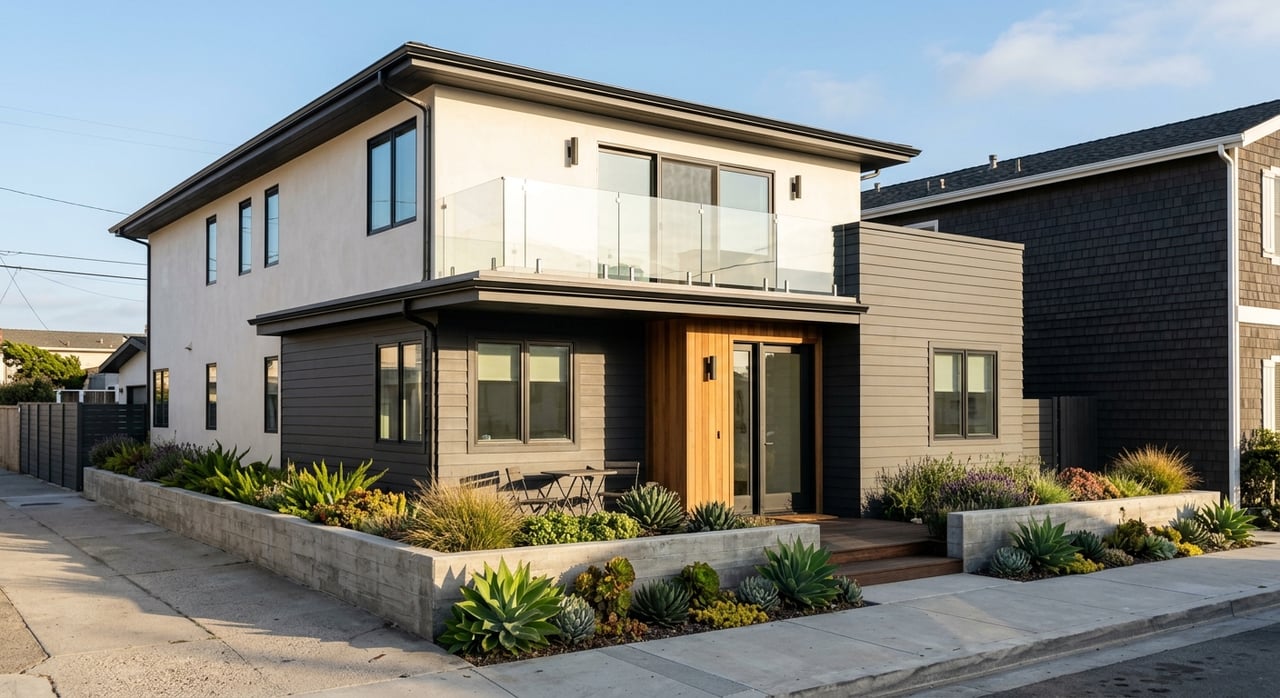
Beach-adjacent parcels can support larger two- to three-unit luxury townhomes, according to the city’s housing and planning documents. That helps explain why South Redondo often includes more listings tied to ocean views, the Esplanade, The Village, and the pier or harbor area.
That does not mean South Redondo is one-note. You can still find a mix of detached homes, townhomes, condos, and multifamily properties, but the beach-facing orientation tends to be a bigger part of the value equation.
Housing Mix Across Redondo Beach
Citywide, Redondo Beach’s housing stock is about 54% single-family and 46% multifamily, and more than two-thirds of the housing stock was built before 1980. That matters because many buyers come in expecting one uniform housing style, but Redondo Beach is more varied than that.
On both sides of the city, you can find detached homes, townhomes, condos, and multifamily opportunities. The difference is often less about whether a property type exists and more about how location, lot orientation, and proximity to the coast influence price and lifestyle.
Current Price Differences
Recent market snapshots show that both North and South Redondo are active markets. In May 2026, North Redondo’s median sale price was $1,554,477, with 106 homes sold, an average of 2 offers, and about 32 days on market.
In the same period, South Redondo’s median sale price was $1,606,959, with 70 homes sold, an average of 2 offers, and about 28 days on market. The pricing gap is fairly modest, but South trends a bit higher, which lines up with its stronger beach and waterfront orientation.
What the Numbers Suggest
Both areas appear competitive, and neither side looks sleepy. North Redondo was labeled very competitive in the market snapshot, while South Redondo was labeled somewhat competitive.
For you, the takeaway is simple: waiting for one side to become dramatically cheaper than the other may not be the right strategy. It is often more useful to compare the kind of home, the block, and the daily lifestyle you want rather than focus only on the median price line.
Walkability and Daily Lifestyle
Walkability is one of the biggest practical differences between these two areas, even though the reported Walk Scores are close. North Redondo had a Walk Score of 74 in the market snapshot, while South Redondo was at 75.
The real difference is what you are walking to. In South Redondo, you are more likely to prioritize beach access, The Strand, Riviera Village, the pier, and harbor-area recreation. In North Redondo, daily convenience may center more on residential living, parks, schools, and access to inland shopping and major corridors.
Commuting and Getting Around
If your routine includes regional driving, North Redondo’s inland setting generally makes it feel more freeway-oriented. That is an inference from geography and the city’s commercial layout rather than a formal commute study, but it is often part of how buyers compare the two sides.
South Redondo, by contrast, usually appeals more to buyers who want to walk to the ocean, harbor, or local coastal destinations. If your ideal day includes leaving the car parked more often, South Redondo may better match that goal.
Transit Considerations
For transit users, Metro identifies the Redondo Beach Metro Station as serving the Metro C Line and local bus service. Metro also approved the K Line Extension to Torrance in January 2026, which could expand South Bay rail access if the project moves forward.
Transit may not be the deciding factor for every buyer, but it is worth keeping in mind if you want another layer of regional access beyond driving.
Schools and Address Verification
School assignment is one area where buyers should be careful about assumptions. Redondo Beach Unified School District uses address-based attendance boundaries, and School of Choice is space-available only.
For example, Madison Elementary serves a defined portion of North Redondo bounded by Aviation Way, Artesia Boulevard, Inglewood Avenue, and parts of nearby streets to the north. The key point is that you should verify school placement by exact address rather than rely on a simple north-versus-south label.
Coastal Due Diligence in South Redondo
If you are looking close to the shoreline, South Redondo comes with a few extra due diligence items to review. The city’s Housing Element identifies low-lying flood hazard areas in parts of South Redondo, including the waterfront west of Esplanade, the Avenue I corridor, and the harbor area.
That does not automatically rule out a property. It simply means homes closest to the water may require a more careful look at location-specific factors during your search and escrow process.
Which Side Fits Your Goals?
If you are still deciding, it helps to step back and think about how you want to live, not just what you want to buy. North and South Redondo can both be strong choices, but they usually serve different priorities.
North Redondo May Fit Best If You Want:
- A more inland, residential setting
- Easier access to major commercial corridors
- A home search that often leans more single-family in feel
- A neighborhood decision shaped in part by parks and school-boundary questions
South Redondo May Fit Best If You Want:
- Closer access to the beach, harbor, pier, and The Strand
- Walkability tied to coastal amenities and waterfront activity
- More frequent exposure to condos, townhomes, and beach-oriented housing options
- A lifestyle where proximity to the shoreline is part of the everyday value
A Smart Way to Compare Homes
The best North versus South Redondo decision usually comes from touring both sides with a clear framework. Focus on the tradeoffs that affect your week-to-week life, such as beach access, commute feel, housing type, school-boundary verification, and whether a location near the shoreline calls for added due diligence.
In a market where pricing is relatively close between the two sides, the right choice is often the one that feels most aligned with your routine, priorities, and long-term plans. If you want a clear, neighborhood-level view of Redondo Beach and access to well-positioned opportunities, Michael Grady offers the kind of local guidance and discreet, high-touch support that can make the search more focused and more successful.
FAQs
What is the main difference between North and South Redondo Beach?
- North Redondo is generally more inland and residential, while South Redondo is more closely tied to the beach, pier, harbor, marina, and Riviera Village.
Are South Redondo homes more expensive than North Redondo homes?
- Recent market data showed South Redondo with a slightly higher median sale price than North Redondo in May 2026, though the gap was modest.
Does North Redondo have more single-family homes?
- City planning documents indicate inland areas are more likely to be single-family, while beach-adjacent areas more often support larger townhome-style development.
Should you verify school boundaries in Redondo Beach by address?
- Yes. RBUSD uses address-based attendance boundaries, so you should confirm school assignment by exact property address.
Are there flood hazard areas in South Redondo Beach?
- Yes. The city identifies low-lying flood hazard areas in parts of South Redondo, including areas near the waterfront, Avenue I corridor, and harbor.
Is South Redondo more walkable for beach access?
- In many cases, yes. South Redondo usually offers more immediate access to the beach, The Strand, waterfront dining, and harbor recreation.
This post was written by Michael Grady of The Grady Group at The Agency. For more insights, visit grady-group.com/blogs or contact us at 310-995-8774.