What Are Manhattan Beach Walk Streets Worth in 2026?
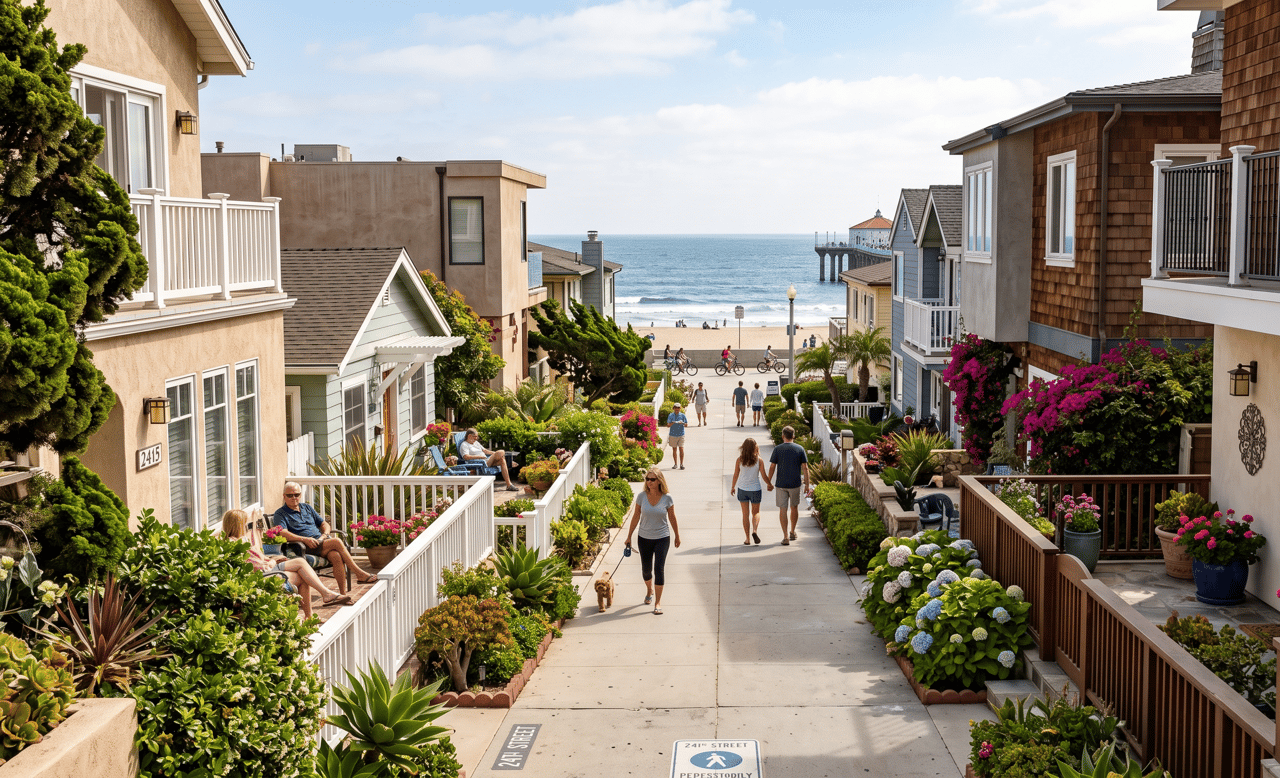
If you've spent any time in Manhattan Beach, you've probably wandered down one of the walk streets without fully registering what makes them special. No cars. No curbs. Just a wide, pedestrian-only path lined with homes, often with a strip of grass or pavers down the middle, bikes leaning against fences, kids playing in the lane. It feels more like a European village alley than a Southern California suburb.
That feeling has a price tag — and in 2026, it's worth understanding exactly what you're paying for, and why.
What Are the Walk Streets?
Manhattan Beach has a network of pedestrian-only lanes, primarily concentrated in the Sand Section — the neighborhood closest to the beach. These streets run perpendicular and parallel to the ocean, and cars simply don't access them. Residents park on the nearest drivable cross street and walk in.
The walk streets aren't a marketing invention. They're a geographic and civic quirk that dates back to Manhattan Beach's original subdivision layout in the early 1900s, when the lots were small, the blocks were dense, and the idea was to maximize beach access for as many residents as possible. The car-free nature wasn't always considered a feature — for a long time, it was just how things were. Now it's one of the most sought-after attributes in the South Bay.
The most prominent walk streets in the Sand Section include The Strand (the premier oceanfront path), as well as the numbered streets — 1st through about 15th — where the pedestrian lanes run east-west between Highland and Ardmore. Not every block on every numbered street is a walk street, so precise location within the grid matters enormously.
The Premium: What Walk Streets Actually Command
Walk street properties consistently command a premium over comparable homes on drivable streets in Manhattan Beach — but the size of that premium is more nuanced than most buyers and sellers expect.
The Strand is in its own category. Oceanfront Strand properties are among the most expensive residential real estate in California, full stop. The Strand is technically a walk street, but it's so distinct in its oceanfront positioning that comparing it to an inland walk street is like comparing a penthouse to an apartment in the same building. Strand properties regularly transact in the $10M–$20M+ range and should be evaluated on their own terms.
Inland walk streets: the real story. For the pedestrian lanes that run through the interior of the Sand Section, the premium over a comparable drivable-street home has historically ranged from roughly 10% to 25%, depending on specific block, lot size, home condition, and proximity to the beach. In a strong market, well-positioned walk street homes on good blocks have pushed toward the higher end of that range. In a more balanced market — which 2026 reflects — the premium is real but requires honest comp work to quantify.
Block matters more than the walk street designation alone. A walk street home on a block that dead-ends into a busy arterial or sits far from the beach may carry a modest premium. A walk street home on a quiet, well-maintained block close to the water, with good neighbors and strong curb appeal along the lane, can command the full premium and then some. The walk street label is a starting point, not a guarantee.
Lot size and development potential. Many walk street lots in the Sand Section are small — some under 2,000 square feet. The pedestrian access means no garage access from the front (homes on walk streets typically have garages accessed via a rear alley). This affects both livability and development math. Buyers looking to maximize square footage need to understand setback requirements, alley access, and what the City of Manhattan Beach will permit on the specific parcel.
What Buyers Often Misunderstand
The parking tradeoff is real. Walk street living means your car lives on the nearest cross street or in your alley-accessed garage. For some buyers, this is a charming lifestyle feature — you walk everywhere, you bike to the beach, the car becomes almost incidental. For others, especially families with multiple cars, significant groceries to haul, or mobility considerations, it's a genuine friction point that erodes the premium's value. Be honest with yourself about your lifestyle before paying a walk street premium you won't fully enjoy.
Not all walk streets look the same. Some blocks are immaculately maintained, with well-landscaped lanes, tight community identity, and neighbors who take pride in the shared space. Others are more utilitarian. Drive (or walk) the specific block at different times of day before drawing conclusions.
The beach proximity multiplier. The walk street premium and the beach proximity premium interact, but they're not the same thing. A walk street home that's also two blocks from the water gets both premiums stacked. A walk street home that's eight blocks from the beach gets primarily the pedestrian-lifestyle premium, which is smaller. Don't conflate them when evaluating price.
Rental and short-term use dynamics. Manhattan Beach has restrictions on short-term rentals, but walk street homes have historically been attractive targets for vacation rental investors when regulations have allowed it, given the lifestyle draw. Understanding current short-term rental rules and how they apply to a specific property is essential for any buyer with income considerations in mind.
What Sellers on Walk Streets Should Know
If you own a walk street home and are considering selling in 2026, a few things are worth keeping front of mind.
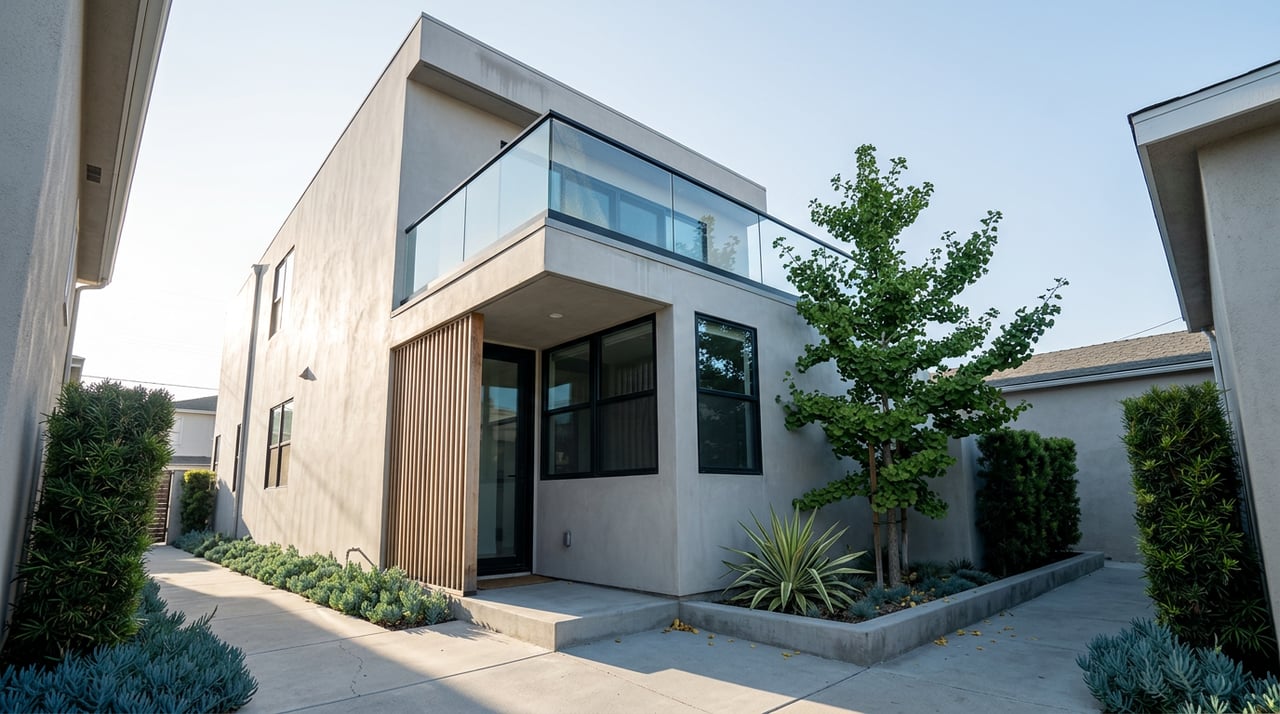
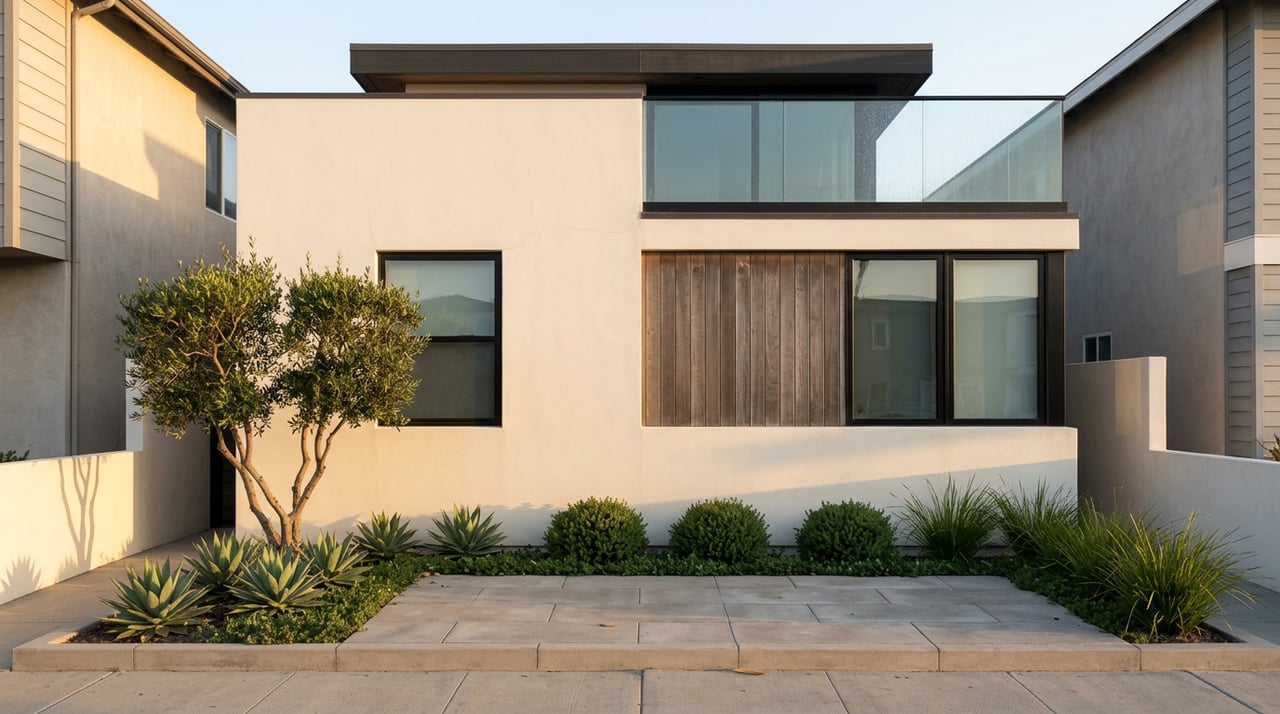
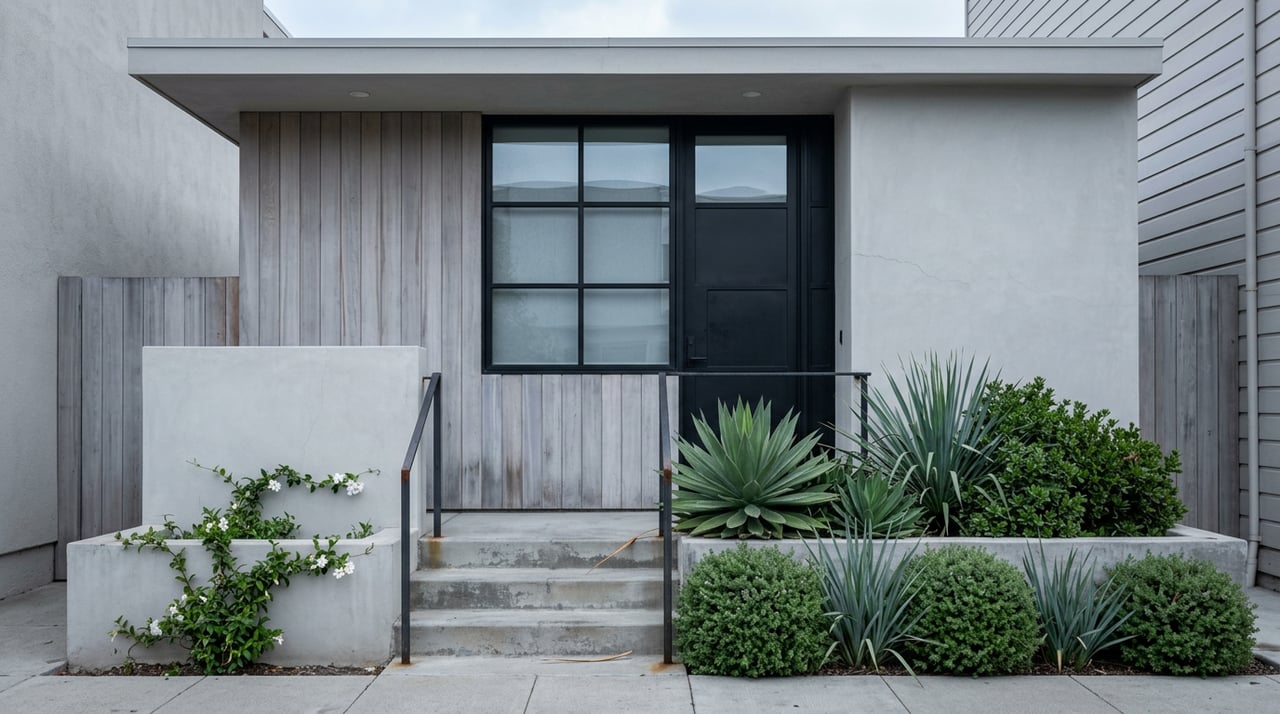
Photography and presentation are everything. The walk street environment photographs beautifully — if you do it right. The lane itself, the community feel, the lack of cars, the garden paths and bike racks — these are selling points that need to be captured intentionally. A photographer who shoots a walk street home the same way they'd shoot a home on a standard drivable street is leaving real value on the table.
Your buyer pool is self-selecting — in a good way. Walk street buyers typically know what they're looking for. They're not stumbling into a walk street purchase by accident. This means your marketing should lean into the lifestyle aggressively: the morning bike ride to the beach, the kids playing in the lane, the evening stroll to dinner. You're not just selling square footage. You're selling a way of living that most of the country can't access.
Pricing requires hyperlocal comps. The biggest mistake walk street sellers make is using too broad a comp set. A drivable-street comp two blocks away is not your comp. Your comp is another walk street home, on a comparable block, with comparable beach proximity and lot size. If those comps are thin — which they often are, given how few walk street properties turn over in a given year — your agent needs to do the interpretive work to justify the premium to appraisers and buyers alike.
Alley and garage access affects value more than sellers expect. Walk street homes without good alley access or without a usable garage carry a measurable discount relative to those that do. If your home has strong alley access and a functional garage, make that explicit in your marketing. If it doesn't, price accordingly and don't be surprised when buyers factor it in.
The Bottom Line
Walk streets are one of the genuinely distinctive features of Manhattan Beach real estate — and the premium they command is earned. The pedestrian environment, the community character, the lifestyle they enable, and their relative scarcity within an already supply-constrained market all support real, durable value.
But like everything in real estate, the walk street premium isn't automatic. It depends on block quality, beach proximity, lot characteristics, home condition, and how well the property is positioned and priced. Buyers who understand those variables avoid overpaying. Sellers who understand them leave less on the table.
If you own a walk street property and are curious what it's worth in today's market — or if you're a buyer trying to figure out whether a particular walk street home justifies its ask — we'd love to talk through the specifics with you.
This post was written by Michael Grady of The Grady Group at The Agency. For more insights, visit grady-group.com/blogs or contact us at 310-995-8774.
This post is for informational purposes only and does not constitute legal or financial advice. Market conditions, regulations, and valuations are subject to change. Consult with a licensed professional for guidance specific to your property.