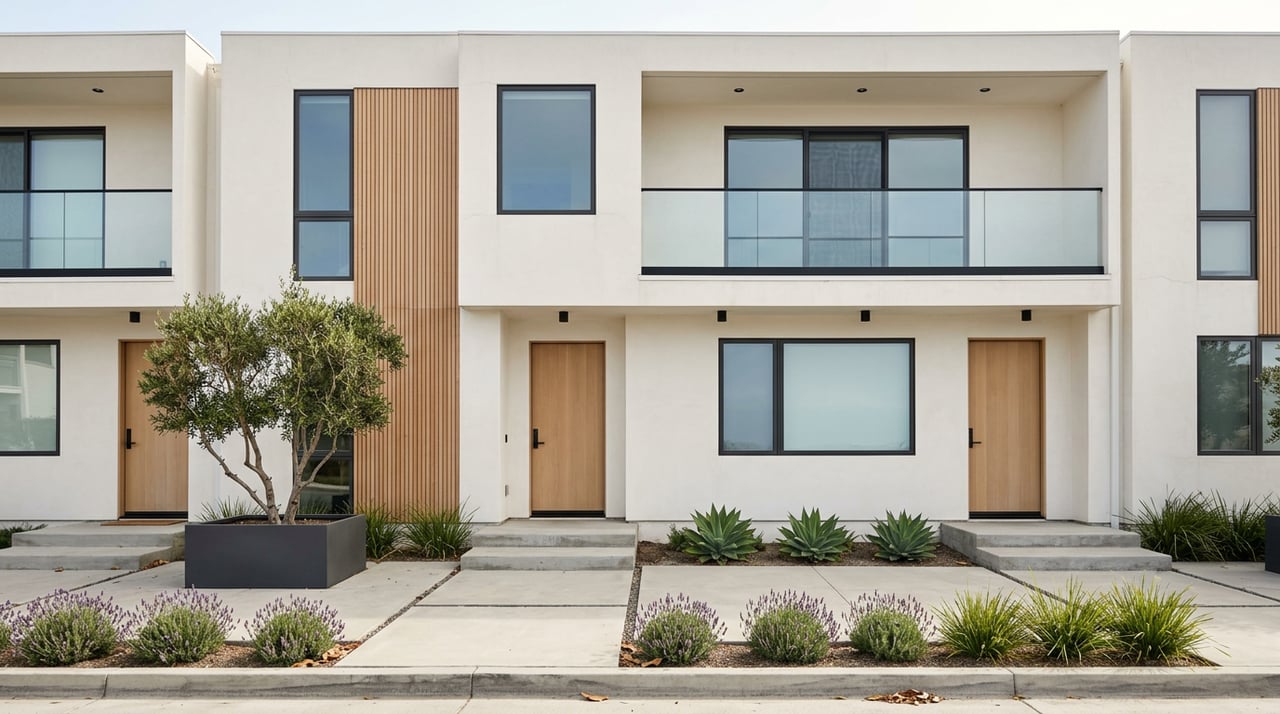
You are not just choosing a floor plan in Manhattan Beach. You are choosing how you live by the coast and how your money works in a premium, low‑inventory market. If you are torn between a townhome and a single‑family home, you are not alone. In this guide you will compare costs, maintenance, financing, coastal risks, and resale factors specific to the South Bay so you can move forward with clarity. Let’s dive in.
Quick market snapshot
According to Redfin, the median sale price for Manhattan Beach in February 2026 was approximately $4.0 million. Prices shift month to month, and medians vary by neighborhood section. The Sand section near the beach often commands a higher price per square foot than inland Tree and Hill sections. Budget, space needs, and preferred location will shape whether a townhome or a detached home fits best.
Inventory is tight across the beach cities, and the right listing can draw quick attention. Single‑family homes usually attract a wider buyer pool, while attached units often appeal to buyers prioritizing location and lower day‑to‑day upkeep. Knowing your financing plan and due‑diligence steps early can make the difference in a competitive moment.
Townhome vs single‑family: what changes
Ownership and control
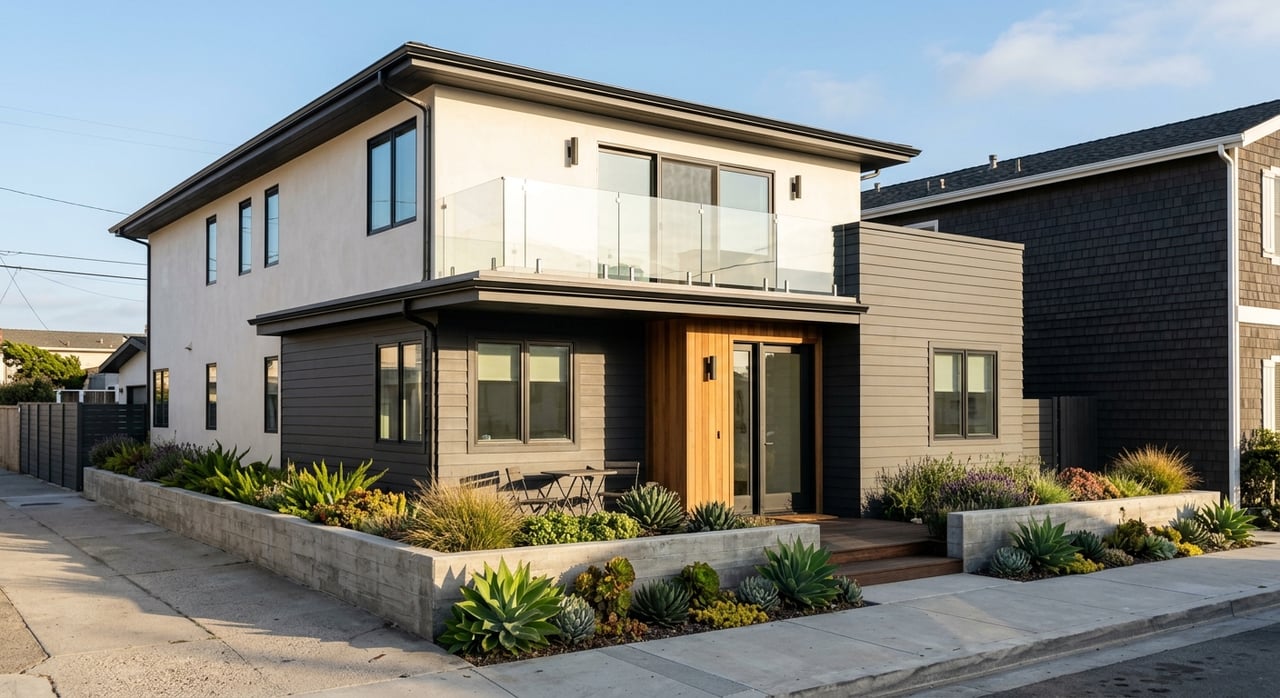
- Single‑family homes are typically fee‑simple. You own the land and the structure and control exterior maintenance, subject to city rules.
- Many townhomes here are part of a condominium or common‑interest development with a homeowners association. If the unit is in a condo project, lenders may review the project to confirm eligibility for conventional or government loans. You can review project standards in Fannie Mae’s guidance on General Information on Project Standards.
Maintenance and monthly costs
- Townhome/condo with HOA: Monthly dues often cover exterior upkeep, common‑area insurance, landscaping, and amenities. Review the HOA’s reserve study and disclosures for adequacy and potential special assessments. California’s Davis‑Stirling Act requires reserve studies and disclosures; see Civil Code section 5550 and section 5570.
- Single‑family: You handle all exterior items directly. In coastal locations, salt air can increase wear on finishes and mechanicals. Plan for a higher maintenance budget if you are close to the beach.
Financing and resale
- Attached units may be warrantable or non‑warrantable. Project‑level issues can limit loan options for some buyers. Ask your lender to check the project on the Fannie Mae Condo Project Status Finder and see whether it qualifies for FHA using the HUD FHA condominium lookup.
- Detached homes do not face condo‑project approval hurdles. They are generally easier for a broader set of buyers to finance, which can support resale liquidity in a high‑demand coastal market.
Space, privacy, and outdoor living
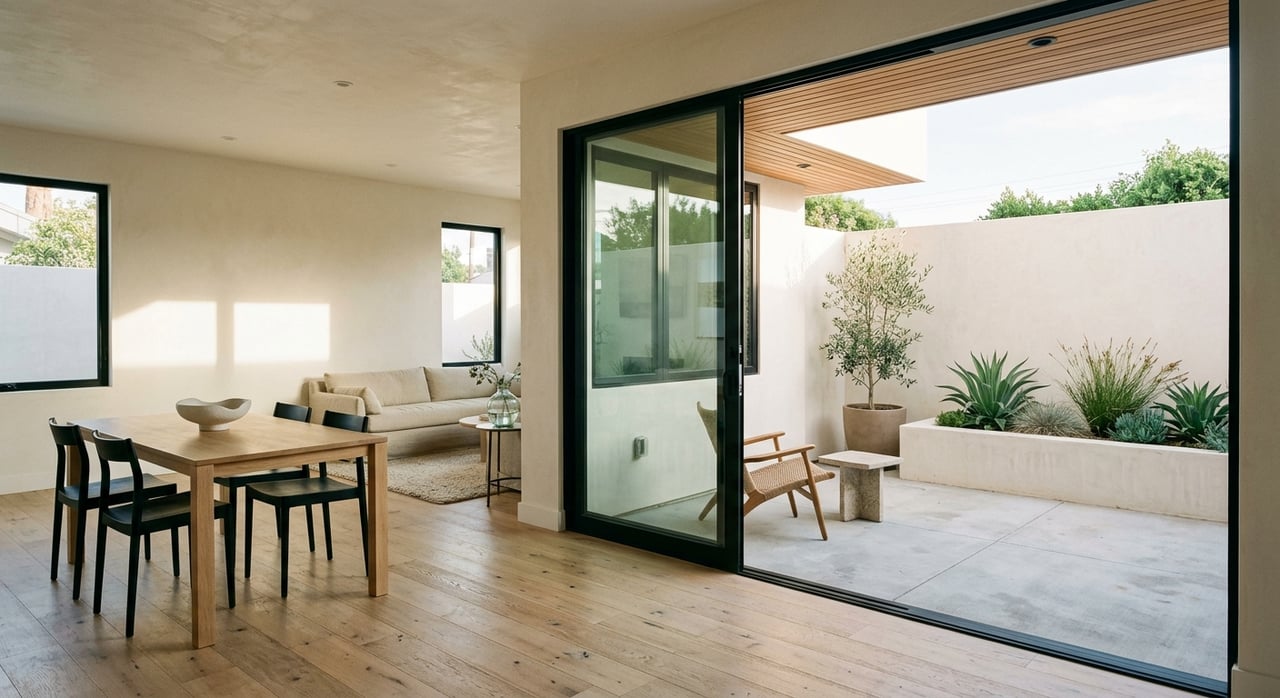
- Single‑family homes often offer more privacy, yard or patio space, and flexibility for future changes, subject to zoning.
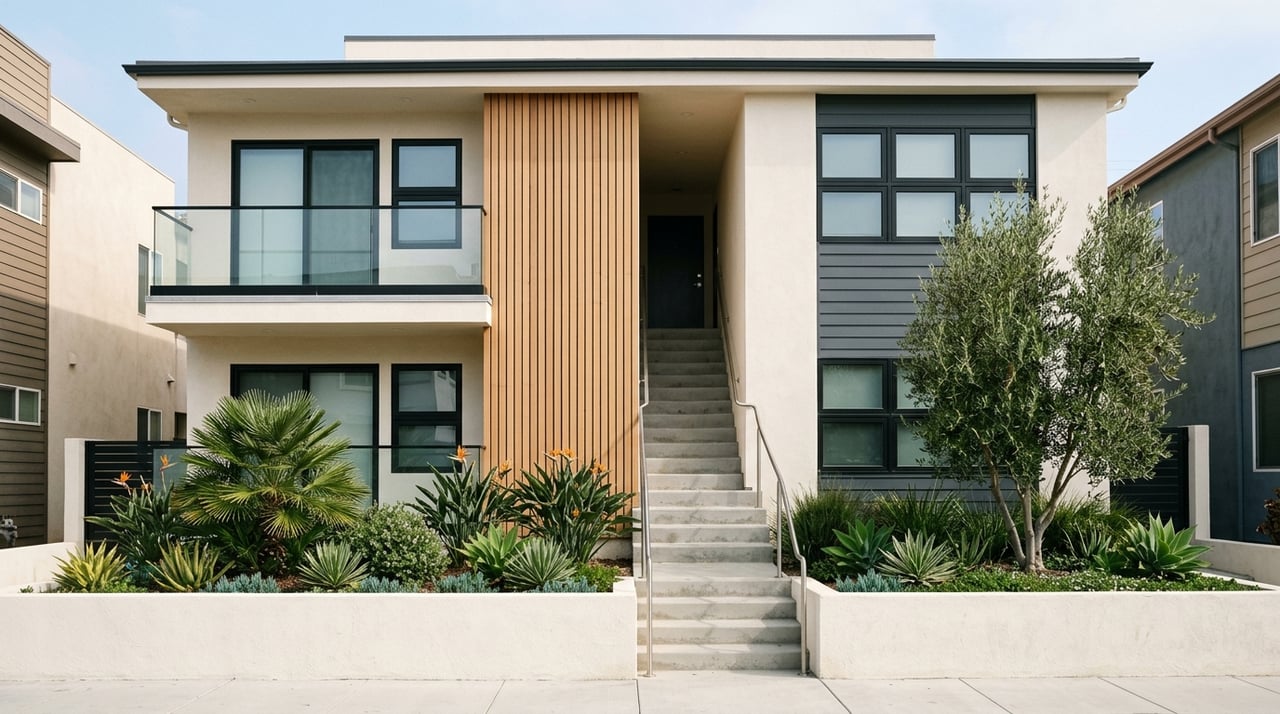
- Townhomes may share walls and have smaller private outdoor areas but can place you closer to the sand at a lower price than a comparable detached property.
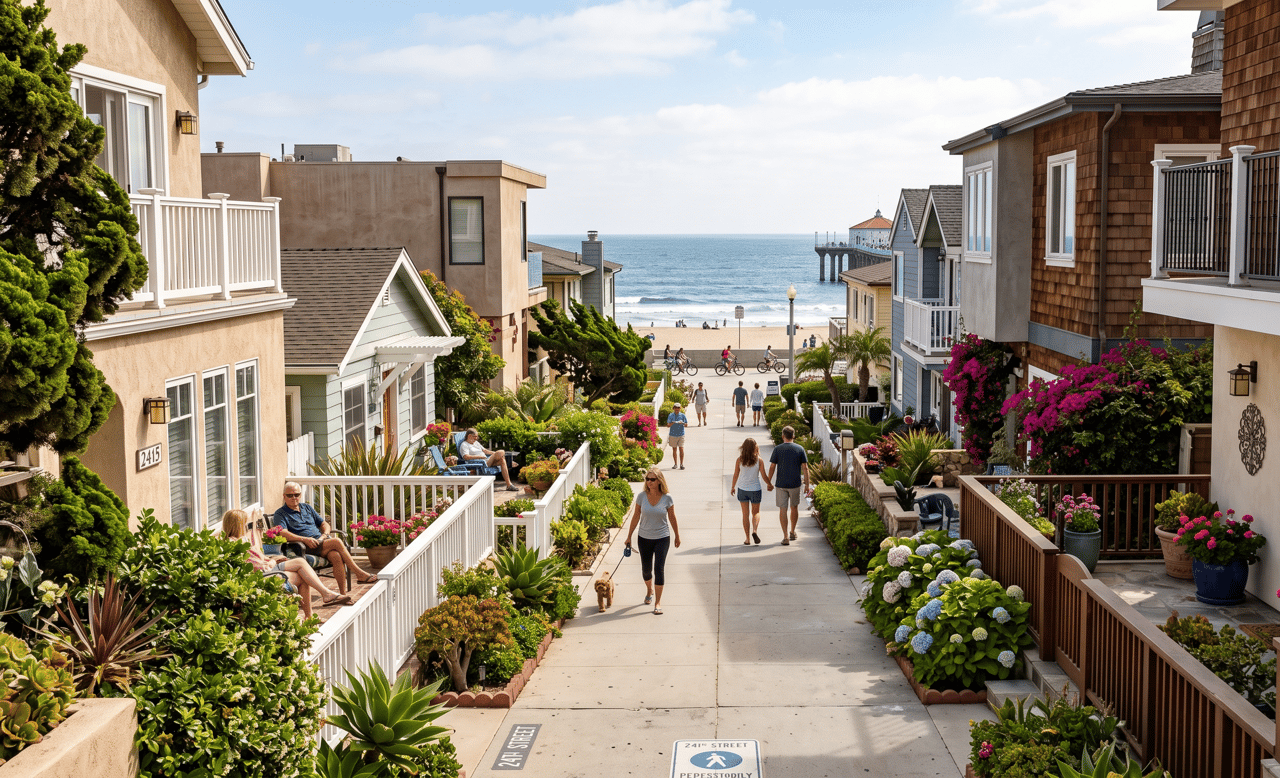
- Parking matters in Manhattan Beach, especially on walk streets and near the water. Confirm garage and assigned spaces and review city meter rules on the Parking Meters and Lots page.
Coastal and regulatory factors that matter
Sea level rise and beach projects
Manhattan Beach maintains a Climate Ready program with a Sea Level Rise Vulnerability Assessment and Adaptation Plan. If you are considering property in the Sand section, Strand, or El Porto, review the city’s Climate Action and Adaptation materials to understand planned shoreline projects and potential future impacts.
Zoning, height, and rebuild rules
Your ability to expand or rebuild depends on local standards. Manhattan Beach’s zoning regulations in Title 10 outline bulk, height, and overlay rules that affect both detached homes and multi‑unit projects. Before you assume you can add a level, confirm what is allowed in your zone on the city’s Zoning and Development Regulations page. Projects in the coastal zone may require extra reviews that extend timelines.
Who might prefer each option
- Choose a townhome if you want low day‑to‑day upkeep, a lock‑and‑leave lifestyle, and proximity to the beach with predictable exterior maintenance covered by an HOA. This can be a smart way to prioritize location over lot size.
- Choose a single‑family home if you value privacy, outdoor space, and flexibility for future improvements. Detached properties often appeal to a wider buyer base, which can support resale in a tight market.
- Neighborhood nuance: Sand‑section townhomes can offer coastal access with a smaller footprint. Tree and Hill section single‑family homes may offer deeper lots or elevation. Match the section to your daily routine and parking needs.
Buyer checklist: what to verify
- Title and legal structure
- Confirm whether the property is fee‑simple or a condominium/common‑interest development. If it is a condo project, ask your lender to review project eligibility and check FHA status using the HUD FHA condominium lookup.
- HOA documents (if applicable)
- Request the full resale packet: CC&Rs, bylaws, rules, current budget, latest reserve study, master insurance summary, meeting minutes, and any notices of special assessments or litigation. California Civil Code section 5570 outlines key disclosures.
- Insurance and hazard analysis
- Check FEMA flood mapping and get a flood insurance quote because standard homeowner policies do not cover flood. Start with FloodSmart (NFIP). For California, price earthquake coverage separately with the California Earthquake Authority.
- Zoning and coastal constraints
- Verify zoning, permitted uses, and any applicable coastal or overlay rules with the city’s Zoning and Development Regulations. For beach‑adjacent properties, review the Climate Action and Adaptation materials.
- Lender precheck and appraisal risk
- For townhomes/condos, ask your lender to confirm project eligibility early using the Fannie Mae Condo Project Status Finder. If the project is not approved, discuss options and timelines before you waive contingencies.
- Parking and access
- Confirm deeded or assigned parking, guest parking rules, and how city meters and lots affect daily life. See the city’s Parking Meters and Lots page.
- Structural and safety items
- Schedule inspections for exterior elevated elements like decks and balconies. California Civil Code section 5551 highlights inspection standards for these components in common‑interest developments.
- Resale sensitivity
- Think ahead about your likely buyer pool and time to sell. Detached homes often attract broader demand, while attached units can appeal to buyers focused on location and lower daily maintenance.
What to ask the HOA (5 quick questions)
- How well funded are reserves today, and what percent funded does the latest reserve study show? (See Civil Code 5550 and 5570.)
- Are any special assessments approved or under discussion for the next 12 to 24 months?
- Is the association involved in litigation that might affect insurance, dues, or lending?
- What does the master insurance policy cover, and what are the deductibles and exclusions?
- What are the rental and pet rules, and how are parking and guest access managed?
Next steps
- Get pre‑approved and share the property type with your lender so they can run a quick condo‑project review if you are considering a townhome.
- Request the HOA packet and begin your review as soon as you are in escrow. Focus on reserves, assessments, insurance coverage, and meeting minutes.
- Order quotes for flood and earthquake coverage early to confirm your total monthly cost.
- For coastal properties, review the city’s sea level rise materials and ask about any planned shoreline or dune projects near the home.
If you want a tailored strategy for Manhattan Beach or the wider South Bay, including access to on‑ and off‑market options and a clear plan for inspections, lending, and insurance, reach out to Michael Grady. We will help you weigh tradeoffs and position you to win the right home with confidence.
FAQs
How do Manhattan Beach prices affect the townhome vs single‑family choice?
- With a February 2026 median sale price around $4.0 million, many buyers use townhomes to prioritize location at a lower entry point, while detached homes trade at higher prices and often offer more space and yard.
What HOA documents should I review for a Manhattan Beach townhome?
- Ask for CC&Rs, bylaws, rules, current budget, the latest reserve study, master insurance summary, recent meeting minutes, and disclosures of assessments or litigation; California Civil Code 5550 and 5570 guide reserves and disclosures.
How can I check if a condo or townhome is eligible for my loan?
- Have your lender review the project and look it up on the Fannie Mae Condo Project Status Finder; if you plan to use FHA, check the HUD FHA condominium lookup or ask about single‑unit approval options.
What coastal risks should I plan for near the beach in Manhattan Beach?
- Review the city’s Climate Ready materials for sea level rise planning, get a flood insurance quote through FloodSmart, and price separate earthquake coverage for a complete monthly cost picture.
What parking factors are common on walk streets and near the Sand section?
- Confirm the exact number of deeded or assigned spaces, guest parking rules, and how city meters and lots work so your daily and visitor parking needs are covered.
If I want to remodel a detached home, what rules apply?
- Start with the city’s Title 10 zoning standards for height and massing, and ask Planning whether your lot is in the coastal zone, which can add reviews and extend timelines.
This post was written by Emma Wollitz of The Grady Group at The Agency. For more insights, visit grady-group.com/blogs or contact us at 310-995-8774.